100 Notable alumni of
University of Leipzig
Updated:
The University of Leipzig is 64th in the world, 22nd in Europe, and 5th in Germany by aggregated alumni prominence. Below is the list of 100 notable alumni from the University of Leipzig sorted by their wiki pages popularity. The directory includes famous graduates and former students along with research and academic staff. 2 individuals affiliated with the University of Leipzig won Nobel Prizes in Physics and Chemistry.
-
Friedrich Nietzsche
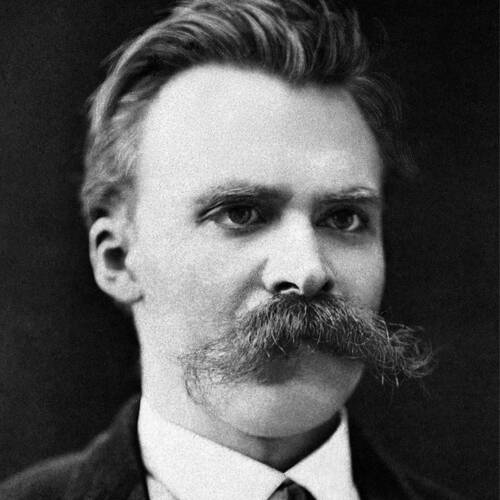
- Enrolled in the University of Leipzig
- Studied in 1865-1879
- Occupations
- playwrightpedagoguephilosophermusic criticcomposer
- Biography
-
Friedrich Wilhelm Nietzsche was a German philosopher who started his career as a classical philologist and turned to philosophy early in his academic career. In 1869, aged 24, he was appointed Professor of Classical Philology at the University of Basel. Plagued by health problems for most of his life, he resigned from the university in 1879. He afterward lived as an independent writer, spending much of his life in relative solitude and financial insecurity while moving between Switzerland, Italy, and southern France in search of climates that might alleviate his condition, and in the following decade, he completed much of his core writing. In 1889, aged 44, he suffered a mental breakdown and thereafter a complete loss of his mental faculties, with paralysis and vascular dementia, living his remaining 11 years under the care of his family until his death. His works and his philosophy have fostered not only extensive scholarship but also much popular interest.
-
Angela Merkel
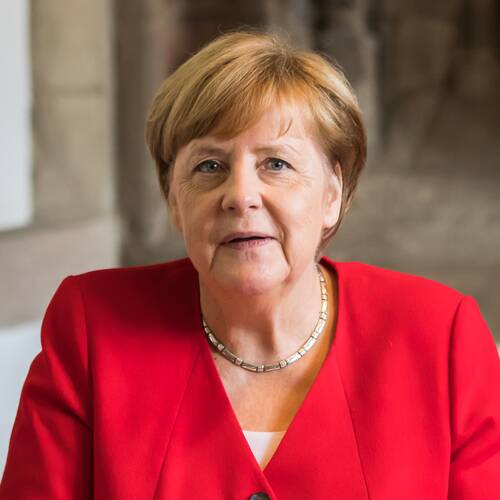
- Enrolled in the University of Leipzig
- 1973-1978 graduated with Diplom in physics
- Occupations
- physicistpolitician
- Biography
-
Angela Dorothea Merkel is a German retired politician who served as Chancellor of Germany from 2005 to 2021. She is the only woman to have held the office and the only from former East Germany. She was Leader of the Opposition from 2002 to 2005 and Leader of the Christian Democratic Union (CDU) from 2000 to 2018.
-
Johann Wolfgang von Goethe
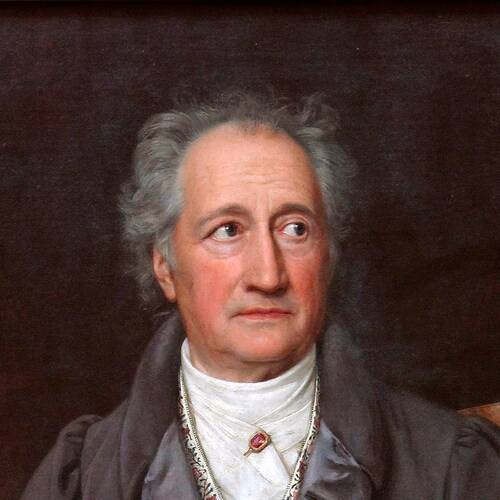
- Enrolled in the University of Leipzig
- 1765-1768 studied jurisprudence
- Occupations
- travel writercomposerprint collectorprintmakerpainter
- Biography
-
Johann Wolfgang von Goethe was a German polymath who is widely regarded as the most influential writer in the German language. His work has had a wide-ranging influence on literary, political, and philosophical thought in the Western world from the late 18th century to the present. A poet, playwright, novelist, scientist, statesman, theatre-director, and critic, Goethe wrote a wide range of works, including plays, poetry and aesthetic criticism, as well as treatises on botany, anatomy, and colour.
-
Richard Wagner
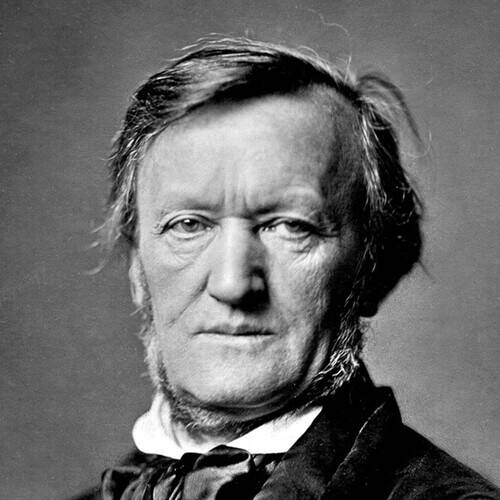
- Occupations
- music criticdiaristtheatrical directoressayistconductor
- Biography
-
Wilhelm Richard Wagner was a German composer, theatre director, essayist, and conductor, best known for his operas, although his mature works are often referred to as music dramas. Unlike most composers, Wagner wrote both the libretti and the music for all of his stage works. He first achieved recognition with works in the Romantic tradition of Carl Maria von Weber and Giacomo Meyerbeer, but revolutionised the genre through his concept of the Gesamtkunstwerk ("total work of art"), which sought to unite poetic, musical, visual, and dramatic elements. In this approach, the drama unfolds as a continuously sung narrative, with the music evolving organically from the text rather than alternating between arias and recitatives. Wagner outlined these ideas in a series of essays published between 1849 and 1852, most fully realising them in the first half of his four-opera cycle Der Ring des Nibelungen (The Ring of the Nibelung).
-
Werner Heisenberg
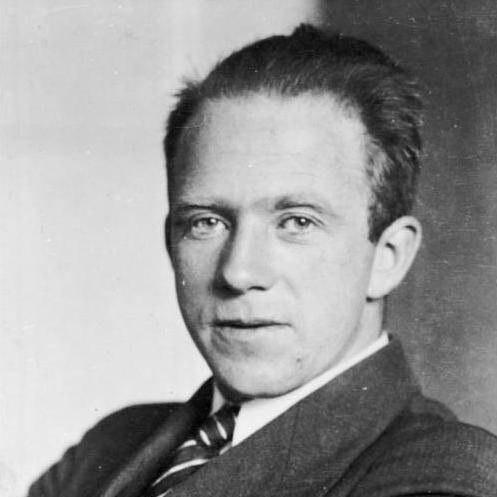
- Occupations
- theoretical physicist
- Biography
-
Werner Karl Heisenberg was a German theoretical physicist, one of the main pioneers of the theory of quantum mechanics and a principal scientist in the German nuclear program during World War II.
-
Gottfried Wilhelm Leibniz
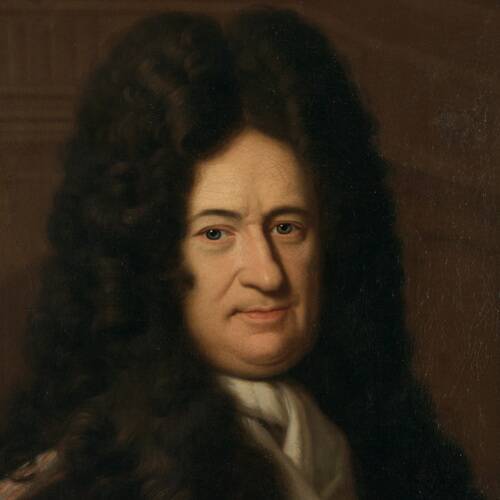
- Enrolled in the University of Leipzig
- 1661-1666 studied philosophy and law
- Occupations
- mathematiciandiplomaticianengineermusic theoristphilosopher of law
- Biography
-
Gottfried Wilhelm Leibniz was a German polymath active as a mathematician, philosopher, scientist, and diplomat who is credited, alongside Isaac Newton, with the creation of calculus in addition to many other branches of mathematics, such as binary arithmetic and statistics. Leibniz has been called the "last universal genius" due to his vast expertise across fields, which became a rarity after his lifetime with the coming of the Industrial Revolution and the spread of specialized labour. He is a prominent figure in both the history of philosophy and the history of mathematics. He wrote works on philosophy, theology, ethics, politics, law, history, philology, games, music, and other studies. Leibniz also made major contributions to physics and technology, and anticipated notions that surfaced much later in probability theory, biology, medicine, geology, psychology, linguistics and computer science.
-
Émile Durkheim
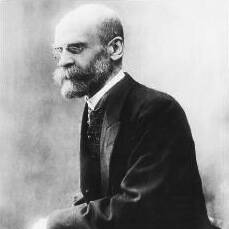
- Occupations
- philosopherhistorian of religionanthropologistprofessorsociologist
- Biography
-
David Émile Durkheim was a French sociologist. Durkheim formally established the academic discipline of sociology and is commonly cited as one of the principal architects of modern social science, along with both Karl Marx and Max Weber.
-
Robert Schumann
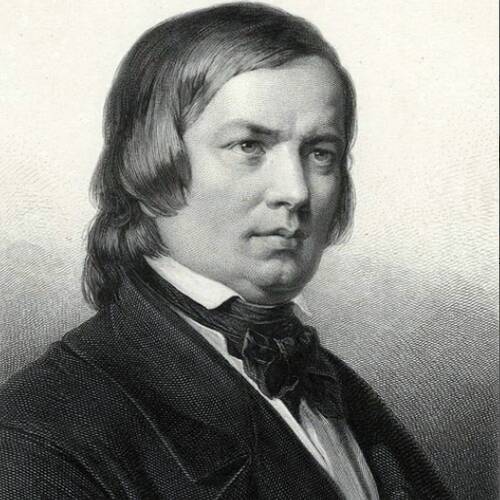
- Occupations
- composerpianistmusicologistconductormusic critic
- Biography
-
Robert Schumann was a German composer, pianist, and music critic of the early Romantic era. He composed in all the main musical genres of the time, writing for solo piano, voice and piano, chamber groups, orchestra, choir and the opera. His works typify the spirit of the Romantic era in German music.
-
Edward Teller
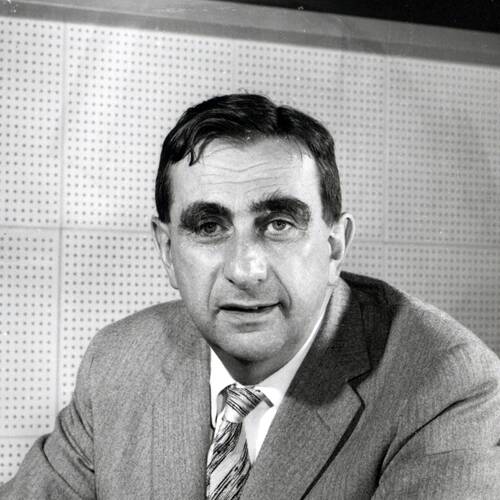
- Enrolled in the University of Leipzig
- In 1930 graduated with doctorate
- Occupations
- theoretical physicistnon-fiction writeruniversity teachernuclear physicistinventor
- Biography
-
Edward Teller was a Hungarian-American theoretical physicist and chemical engineer who is known colloquially as "the father of the hydrogen bomb" and one of the creators of the Teller–Ulam design inspired by Stanisław Ulam.
-
Tycho Brahe
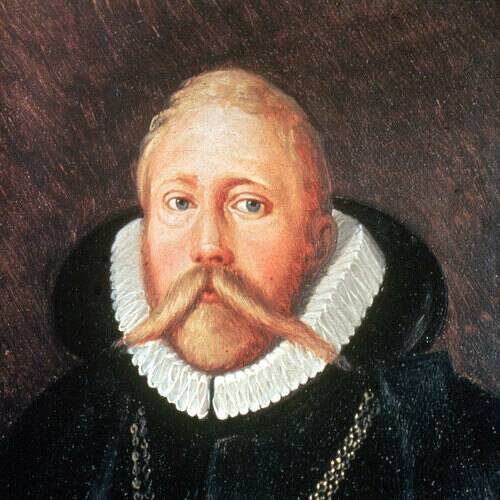
- Enrolled in the University of Leipzig
- Studied in 1562-1565
- Occupations
- alchemistpoetwriterastrologerastronomer
- Biography
-
Tycho Brahe, generally called Tycho for short, was a Danish astronomer known for his comprehensive and unprecedentedly accurate astronomical observations which helped to turn astronomy into the first modern science and launch the Scientific Revolution. He was known during his lifetime as an astronomer, astrologer, and alchemist. He was the last major astronomer before the invention of the telescope and has been described as the greatest pre-telescopic astronomer.
-
Ferdinand de Saussure
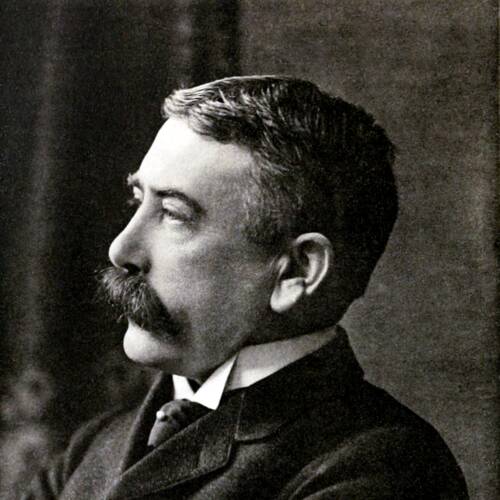
- Enrolled in the University of Leipzig
- 1876-1880 graduated with doctorate
- Occupations
- linguist
- Biography
-
Ferdinand Mongin de Saussure was a Swiss linguist, semiotician and philosopher. His ideas laid a foundation for many significant developments in both linguistics and semiotics in the 20th century. He is widely considered one of the founders of 20th-century linguistics and one of two major founders (together with Charles Sanders Peirce) of semiotics, or semiology, as Saussure called it.
-
Michelle Bachelet
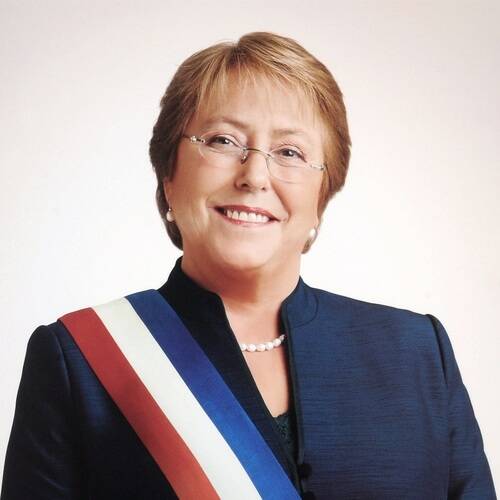
- Occupations
- epidemiologistpoliticianpediatriciansurgeon
- Biography
-
Verónica Michelle Bachelet Jeria is a Chilean politician who served as the 33rd and 35th president of Chile from 2006 to 2010 and from 2014 to 2018. She is the first and to date only woman to hold the presidency. She was re-elected in December 2013 with over 62% of the vote, having previously received 54% in 2006, making her the first president of Chile to be re-elected since 1932. After her second term, she served as United Nations High Commissioner for Human Rights from 2018 to 2022. Earlier in her career, she was appointed as the first executive director of the United Nations Entity for Gender Equality and the Empowerment of Women.
-
Erich Kästner
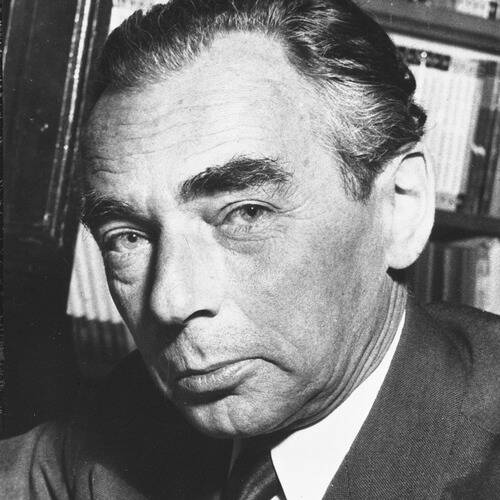
- Occupations
- novelistwritercabaret performerplaywrightpoet
- Biography
-
Emil Erich Kästner was a German writer, poet, screenwriter and satirist, known primarily for his humorous, socially astute poems and for children's books including Emil and the Detectives and Lisa and Lottie. He received the international Hans Christian Andersen Award in 1960 for his autobiography When I Was a Little Boy. He was nominated for the Nobel Prize in Literature in eight separate years.
-
Edmund Husserl
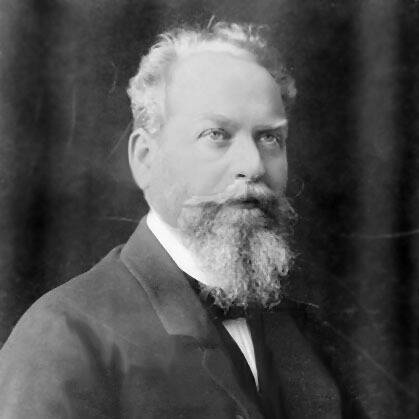
- Enrolled in the University of Leipzig
- In 1878 studied physics and mathematics
- Occupations
- mathematicianphilosopheruniversity teacherphenomenologist
- Biography
-
Edmund Gustav Albrecht Husserl was an Austrian-German philosopher and mathematician who established the school of phenomenology.
-
Ernst Jünger
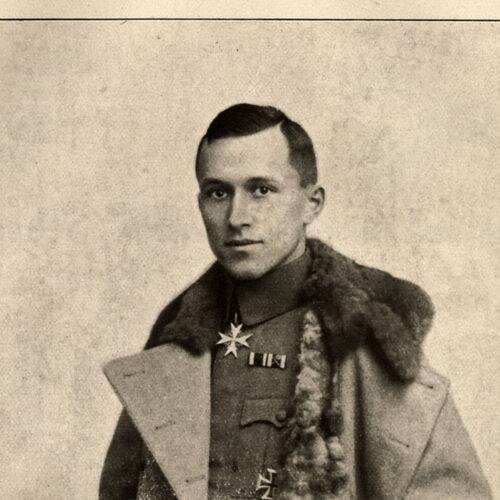
- Occupations
- military personneljournalistphilosopherentomologistdiarist
- Biography
-
Ernst Jünger was a German author, soldier, philosopher, and entomologist who became publicly known for his World War I memoir Storm of Steel. A prolific writer of over forty books, Jünger wrote particularly in the furtherance of conservatism and against what he perceived as the spiritual oppression of man.
-
Klaus Fuchs
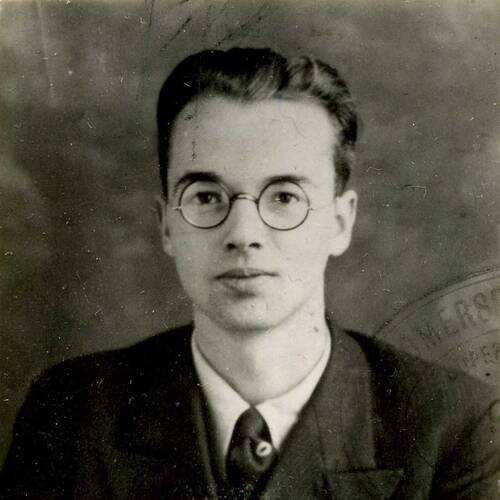
- Enrolled in the University of Leipzig
- 1930-1931 studied mathematics
- Occupations
- theoretical physicistuniversity teachernuclear physicistpoliticianatomic spy
- Biography
-
Klaus Emil Julius Fuchs was a German theoretical physicist, atomic spy, and communist who supplied information from the American, British, and Canadian Manhattan Project to the Soviet Union during and shortly after World War II. While at the Los Alamos Laboratory, Fuchs was responsible for many significant theoretical calculations relating to the first nuclear weapons and, later, early models of the hydrogen bomb. After his conviction in 1950, he served nine years in prison in the United Kingdom, then migrated to East Germany where he resumed his career as a physicist and scientific leader.
-
Hjalmar Schacht
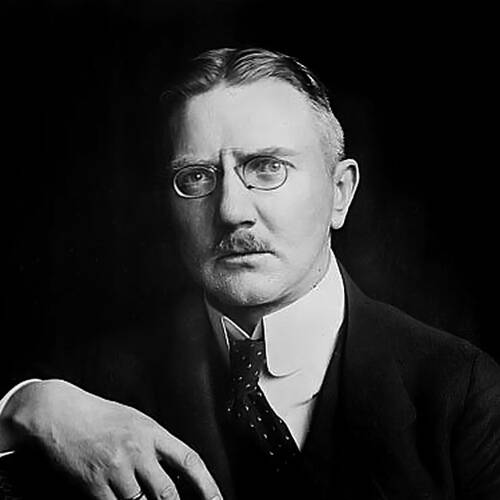
- Occupations
- bankereconomistpolitician
- Biography
-
Horace Greeley Hjalmar Schacht was a German economist, banker, politician, and co-founder of the German Democratic Party. He served as the Currency Commissioner and President of the Reichsbank during the Weimar Republic. He was a fierce critic of his country's post-World War I reparations obligations. He was also central in helping create the group of German industrialists and landowners that pushed Hindenburg to appoint the first Nazi-led government.
-
Gustav Stresemann
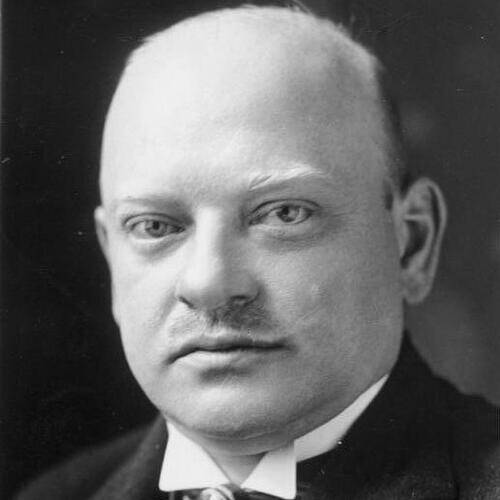
- Occupations
- diplomatpolitician
- Biography
-
Gustav Ernst Stresemann was a German statesman during the Weimar Republic who served as chancellor of Germany from August to November 1923 and as foreign minister from 1923 to 1929. His most notable achievement was the reconciliation between Germany and France, for which he and French Prime Minister Aristide Briand received the Nobel Peace Prize in 1926. During a period of political instability and fragile, short-lived governments, Stresemann was seen at his death as "the person who maintained the precarious balance of the political system."
-
Luz Long
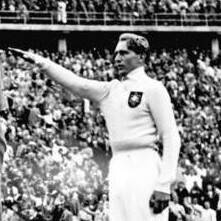
- Occupations
- lawyerathletics competitor
- Biography
-
Carl Ludwig "Luz" Long was a German Olympic long jumper who won the silver medal in the event at the 1936 Summer Olympics in Berlin and had a friendship with Jesse Owens, who won the gold medal in that event. Luz Long won the German long jump championship six times: in 1933, 1934, 1936, 1937, 1938, and 1939.
-
Gotthold Ephraim Lessing
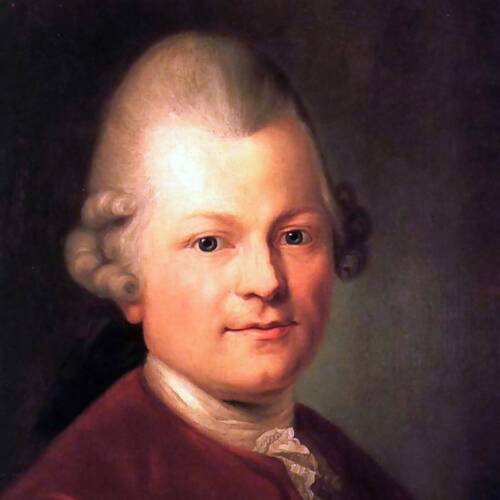
- Enrolled in the University of Leipzig
- In 1746 studied theology
- Occupations
- dramaturgeart historiantheologianlibrarianlyricist
- Biography
-
Gotthold Ephraim Lessing was a German philosopher, dramatist, publicist and art critic, and a representative of the Enlightenment era. His plays and theoretical writings substantially influenced the development of German literature. He is widely considered by theatre historians to be the first dramaturg in his role at Abel Seyler's Hamburg National Theatre.
-
Karl Liebknecht
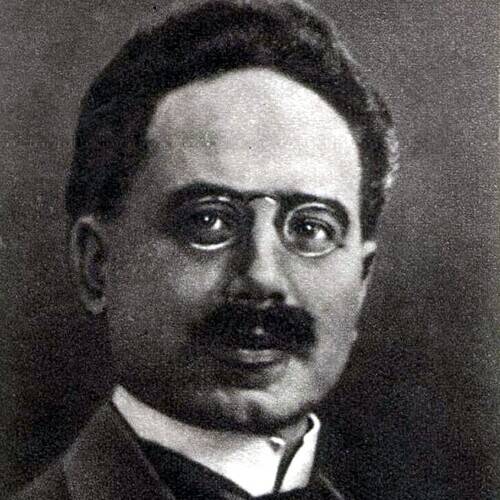
- Enrolled in the University of Leipzig
- In 1890 studied cameralism and legal science
- Occupations
- lawyereditorrevolutionarypolitician
- Biography
-
Karl Paul August Friedrich Liebknecht was a German socialist politician and revolutionary. A leader of the far-left wing of the Social Democratic Party of Germany (SPD), Liebknecht was a co-founder of both the Spartacus League and Communist Party of Germany (KPD) along with Rosa Luxemburg.
-
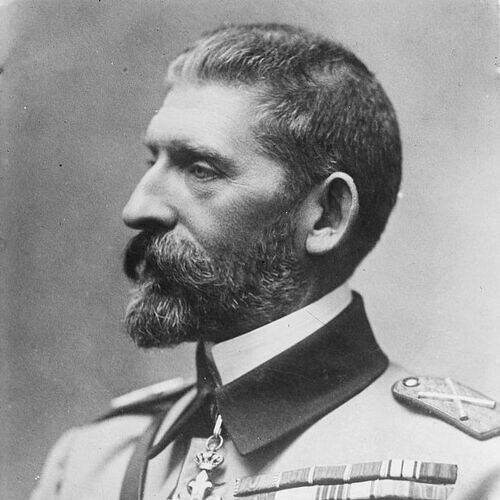
Ferdinand I of Romania
- Occupations
- monarch
- Biography
-
Ferdinand I, nicknamed the Unifier (Romanian: Întregitorul; Romanian: [ɨn.tre.d͡ʒiˈto.rul] ), was King of Romania from 10 October 1914 until his death in 1927. Ferdinand was the second son of Leopold, Prince of Hohenzollern, and Infanta Antónia of Portugal, (daughter of Queen Maria II of Portugal and of Prince Ferdinand of Saxe-Coburg and Gotha-Kohary). His family was part of the Catholic branch of the Prussian royal family Hohenzollern.
-
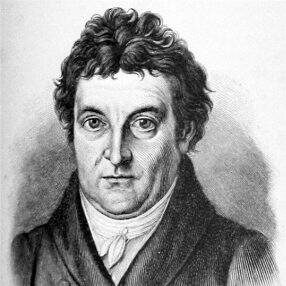
Johann Gottlieb Fichte
- Occupations
- university teacherphilosopherwriter
- Biography
-
Johann Gottlieb Fichte was a German philosopher who became a founding figure of German idealism, which developed from the theoretical and ethical writings of Immanuel Kant.
-
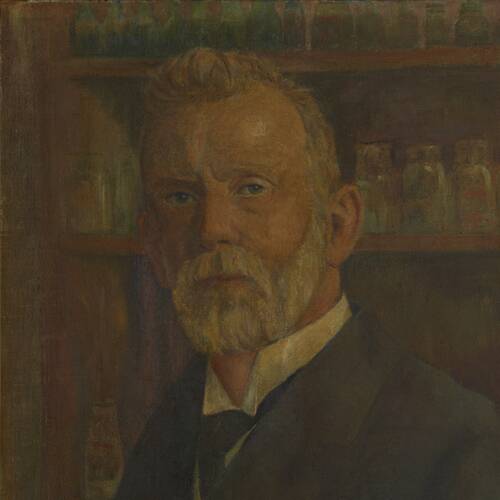
Paul Ehrlich
- Occupations
- biologistpharmacologistuniversity teacherimmunologistinventor
- Biography
-
Paul Ehrlich was a German physician and scientist who worked in the fields of hematology, immunology and antimicrobial chemotherapy. He shared the 1908 Nobel Prize in Physiology or Medicine with Élie Metchnikoff "in recognition of their work on immunity". Among his foremost achievements were finding a cure for syphilis in 1909 and inventing an important modification of the technique for Gram staining bacteria. The methods he developed for staining tissue made it possible to distinguish between different types of blood cells, which led to the ability to diagnose numerous blood diseases.
-
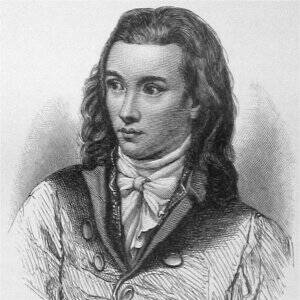
Novalis
- Occupations
- poetwriterliterary theoristphilosopherlyricist
- Biography
-
Georg Philipp Friedrich Freiherr von Hardenberg, pen name Novalis, was a German aristocrat and polymath, who was a poet, novelist, philosopher and mystic. He is regarded as an influential figure of Jena Romanticism.
-
Katrin Göring-Eckardt
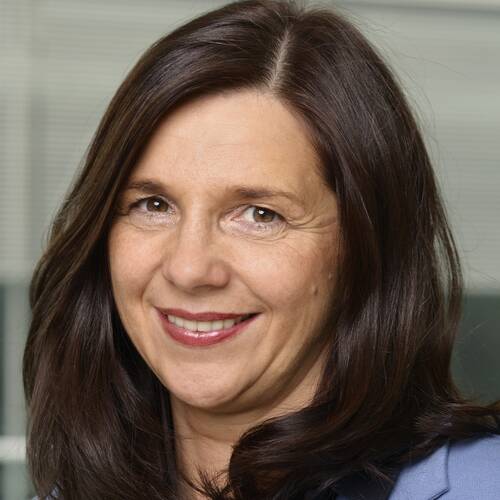
- Enrolled in the University of Leipzig
- 1984-1988 studied Protestant theology
- Occupations
- theologianenvironmentalistpolitician
- Biography
-
Katrin Dagmar Göring-Eckardt is a German politician of the German Green Party (officially known as Alliance 90/The Greens). Starting her political activity in the now-former German Democratic Republic (East Germany) in the late 1980s, she has been a member of the German Bundestag since 1998. She became co-chair of her party caucus in the Bundestag (2002–2005) and the Greens' Vice President of the Bundestag on 18 October 2005, a position that she held until 2013 and would later reprise in 2021. In the November 2012 primary election, the Green Party chose her and Jürgen Trittin as the top two candidates for the Greens for the 2013 German federal election. She also stood as joint top candidate for the Greens in the 2017 German federal election, alongside Cem Özdemir.
-
Martin Buber
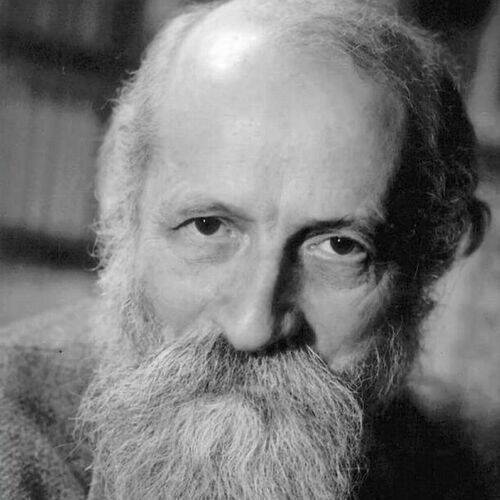
- Occupations
- university teachertheologianliterary editoreducatorpedagogue
- Biography
-
Martin Buber was an Austrian-Israeli philosopher best known for his philosophy of dialogue, a form of existentialism centered on the distinction between the I–Thou relationship and the I–It relationship. Born in Vienna, Buber came from a family of observant Jews, but broke with Jewish custom to pursue secular studies in philosophy. He produced writings about Zionism and worked with various bodies within the Zionist movement extensively over a nearly 50-year period spanning his time in Europe and the Near East. In 1923, Buber wrote his famous essay on existence, Ich und Du (later translated into English as I and Thou), and in 1925 he began translating the Hebrew Bible into the German language.
-
Bronisław Malinowski
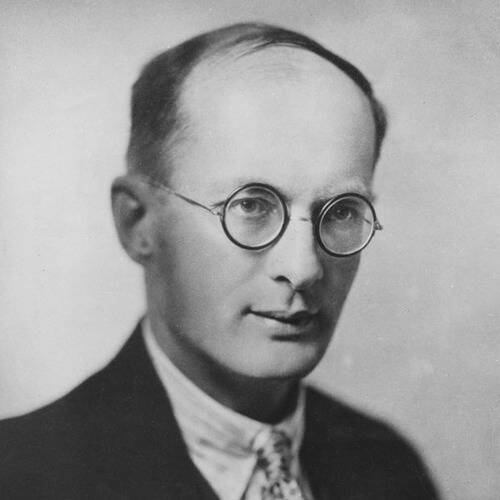
- Enrolled in the University of Leipzig
- Studied ethnology
- Occupations
- photographeranthropologistethnographeruniversity teacherethnologist
- Biography
-
Bronisław Kasper Malinowski was a Polish anthropologist and ethnologist whose writings on ethnography, social theory, and field research have exerted a lasting influence on the discipline of anthropology.
-
Ferdinand Sauerbruch
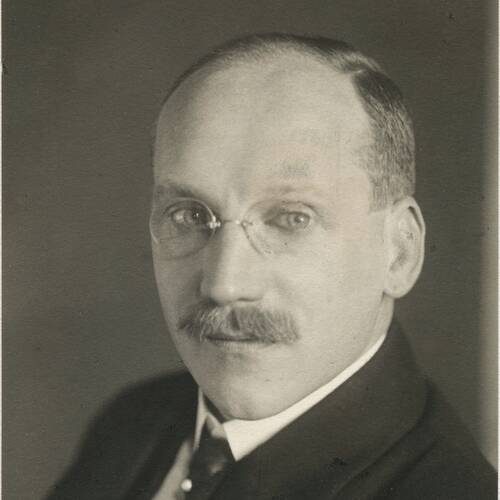
- Occupations
- surgeonuniversity teacher
- Biography
-
Ernst Ferdinand Sauerbruch was a German surgeon. His major work was on the use of negative-pressure chambers for surgery.
-
Juli Zeh
- Occupations
- essayistjudgewriterscience fiction writerjurist
- Biography
-
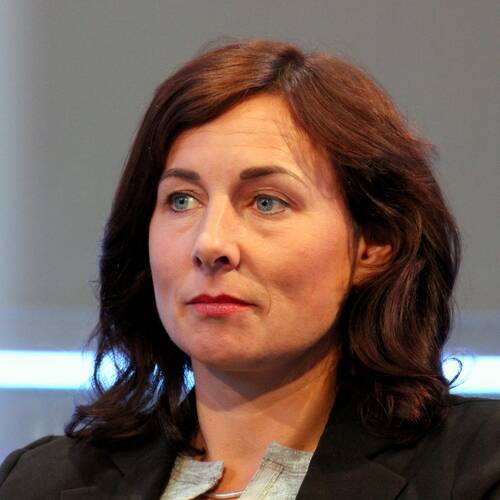
Juli Zeh is a German writer and judge. She is known for novels such as The Method (2009), Unterleuten (2016) and About People (2021).
-
Friedrich Wilhelm Joseph Schelling
- Occupations
- writerphilosopherlibrettistuniversity teacher
- Biography
-
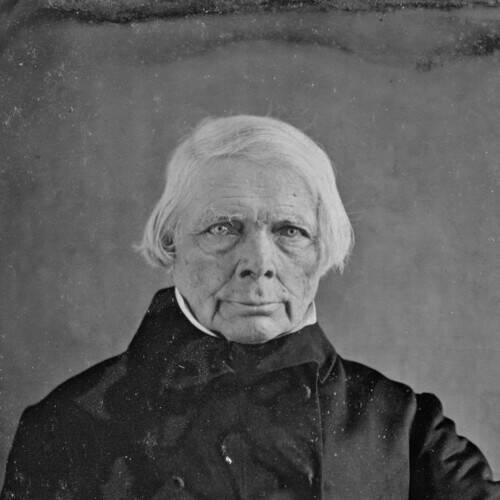
Friedrich Wilhelm Joseph Schelling was a German philosopher. Standard histories of philosophy make him the midpoint in the development of German idealism, situating him between Johann Gottlieb Fichte, his mentor in his early years, and Georg Wilhelm Friedrich Hegel, his one-time university roommate, early friend, and later rival. Interpreting Schelling's philosophy is regarded as difficult because of its evolving nature.
-
Thomas Müntzer
- Enrolled in the University of Leipzig
- Studied in 1506
- Occupations
- Protestant reformerrevolutionarytheologianlyricistpriest
- Biography
-
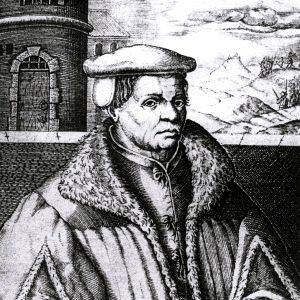
Thomas Müntzer was a German preacher and theologian of the early Reformation whose opposition to both Martin Luther and the Catholic Church led to his open defiance of late-feudal authority in central Germany. Müntzer was foremost amongst those reformers who took issue with Luther's compromises with feudal authority. He was a leader of the German peasant and plebeian uprising of 1525 commonly known as the German Peasants' War.
-
Georg Philipp Telemann
- Occupations
- classical composerchapelmasterorganistcomposer
- Biography
-
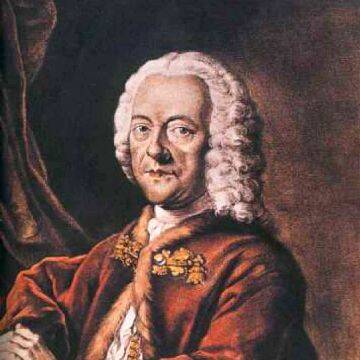
Georg Philipp Telemann was a German Baroque composer and multi-instrumentalist. He is one of the most prolific composers in history, at least in terms of surviving works. Telemann was considered by his contemporaries to be one of the leading German composers of the time, and he was compared favourably both to his friend Johann Sebastian Bach, who made Telemann the godfather and namesake of his son Carl Philipp Emanuel, and to George Frideric Handel, whom Telemann also knew personally.
-
Hans-Dietrich Genscher
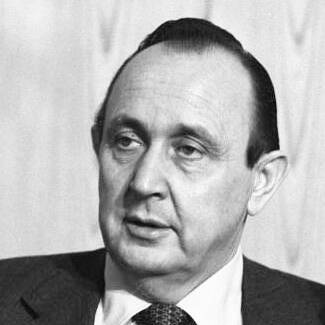
- Enrolled in the University of Leipzig
- Studied in 1949
- Occupations
- military personnellawyerinterior ministernon-fiction writeruniversity teacher
- Biography
-
Hans-Dietrich Genscher was a German statesman and a member of the liberal Free Democratic Party (FDP), who served as Federal Minister of the Interior from 1969 to 1974, and as Federal Minister for Foreign Affairs and Vice Chancellor of Germany from 1974 to 1992 (except for a two-week break in 1982, after the FDP had left the Third Schmidt cabinet), making him the longest-serving occupant of either post and the only person to have held one of these positions under two different Chancellors of the Federal Republic of Germany. In 1991 he was chairman of the Organization for Security and Co-operation in Europe (OSCE).
-
Marc Bloch
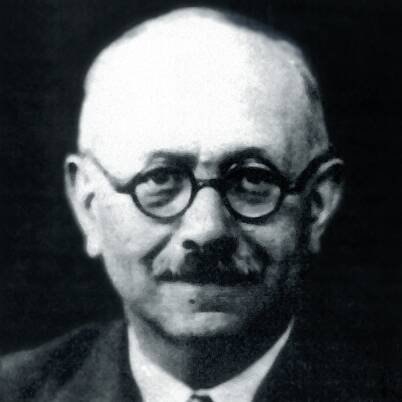
- Enrolled in the University of Leipzig
- Studied in 1908-1909
- Occupations
- lecturerprofessorFrench resistance fightermedievalistuniversity teacher
- Biography
-
Marc Léopold Benjamin Bloch was a French historian. He was a founding member of the Annales School of French social history. Bloch specialised in medieval history and published widely on medieval France over the course of his career. As an academic, he worked at the University of Strasbourg (1920 to 1936 and 1940 to 1941), the University of Paris (1936 to 1939), and the University of Montpellier (1941 to 1944).
-
Carl Philipp Emanuel Bach
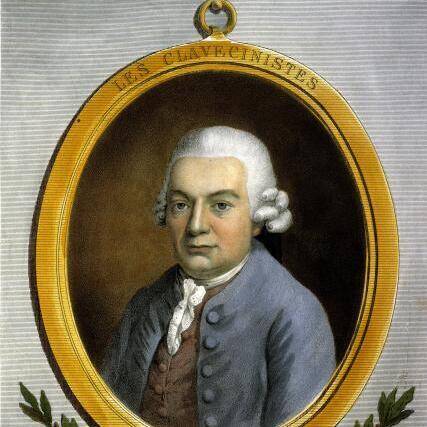
- Occupations
- composer
- Biography
-
Carl Philipp Emanuel Bach, also formerly spelled Karl Philipp Emmanuel Bach, and commonly abbreviated C. P. E. Bach, was a German composer and musician of the Baroque and Classical eras. He was the fifth child and second surviving son of Johann Sebastian Bach and Maria Barbara Bach.
-
Raila A Odinga
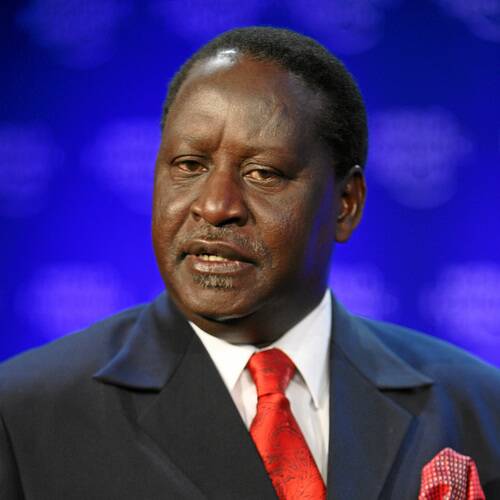
- Enrolled in the University of Leipzig
- In 1970 graduated with master's degree in mechanical engineering
- Occupations
- businesspersonministeruniversity teacherpolitician
- Biography
-
Raila Amolo Odinga CGH was a Kenyan politician who served as Prime Minister from 2008 to 2013. He was the Member of Parliament (MP) for Langata Constituency from 1992 to 2013. He was also the leader of Azimio la Umoja–One Kenya Coalition Party.
-
Hendrik Frensch Verwoerd
- Occupations
- university teacherpolitician
- Biography
-
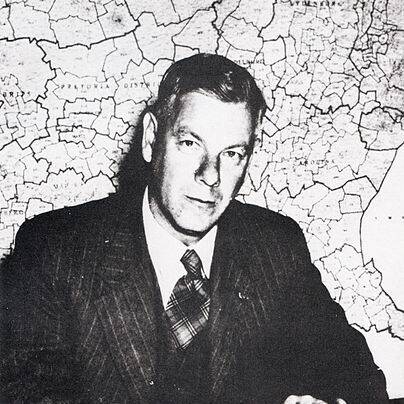
Hendrik Frensch Verwoerd, also known as H. F. Verwoerd, was a Dutch-born South African politician, academic, and newspaper editor who served as Prime Minister of South Africa from 1958 until his assassination in 1966.
-
Maybrit Illner
- Years
- 1965-.. (age 61)
- Occupations
- television presenter
- Biography
-
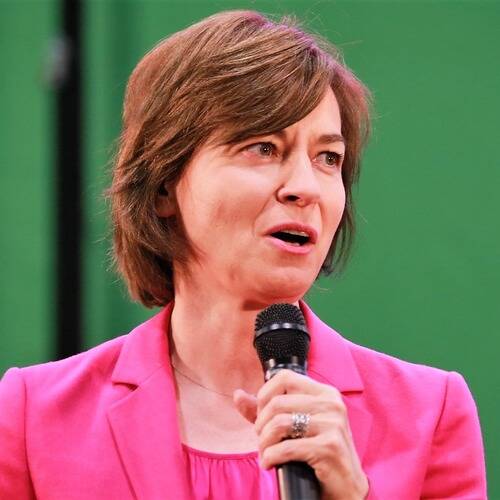
Maybrit Illner is a German journalist and television presenter.
-
Günter Schabowski
- Occupations
- journalistpolitician
- Biography
-
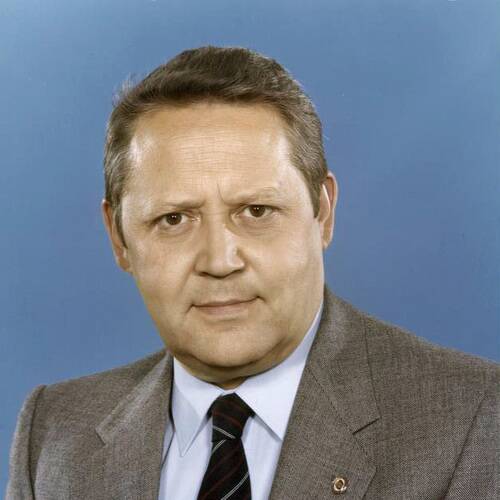
Günter Schabowski was a German politician who served as an official of the Socialist Unity Party of Germany (Sozialistische Einheitspartei Deutschlands abbreviated SED), the ruling party during most of the existence of East Germany. After climbing up the party ladder, he became the regime's unofficial spokesman. He gained worldwide fame in November 1989 when he improvised a slightly mistaken answer to a press conference question about the future of the Berlin Wall, that seemed to announce the Wall's immediate end and raised popular expectations much more rapidly than the government planned. Massive crowds gathered at the Wall the same night, which forced its opening after 28 years. Soon afterward, the entire inner German border was opened; not much later, East Germany ceased to exist.
-
Prince Maximilian of Baden
- Occupations
- politician
- Biography
-
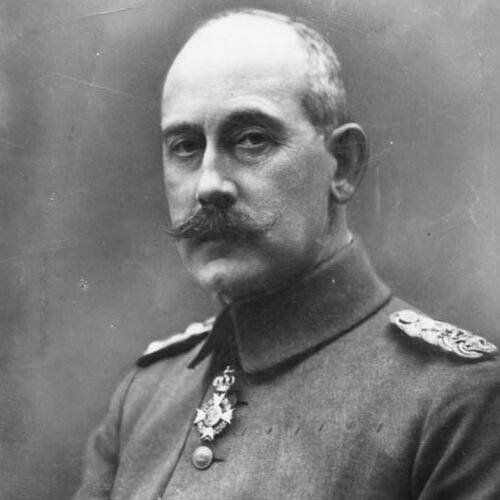
Maximilian, Margrave of Baden, also known as Max von Baden, was a German prince, general, and politician. He was heir presumptive to the throne of the Grand Duchy of Baden, and in October and November 1918 briefly served as the last chancellor of the German Empire and minister-president of Prussia. He sued for peace on Germany's behalf at the end of World War I based on U.S. President Woodrow Wilson's Fourteen Points and took steps towards transforming the government into a parliamentary system. As the German Revolution of 1918–1919 spread, he handed over the office of chancellor to SPD Chairman Friedrich Ebert and unilaterally proclaimed the abdication of Emperor Wilhelm II. Both events took place on 9 November 1918, marking the beginning of the Weimar Republic.
-
Nicholas Miklouho-Maclay
- Occupations
- travelerzoologistmarine biologistbiologistanthropologist
- Biography
-
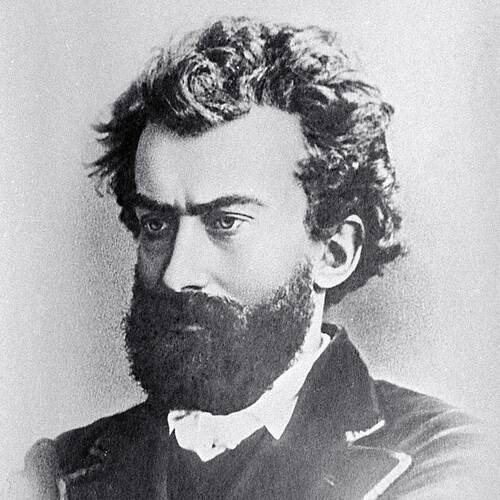
Nicholas or Nicholai Nikolaevich Miklouho-Maclay was a Russian explorer and scientist. He worked as an ethnologist, anthropologist and biologist. He became famous as one of the earliest scientists to settle among and study indigenous people of New Guinea "who had never seen a European".
-
Sándor Márai
- Occupations
- novelistopinion journalistjournalistpoettranslator
- Biography
-
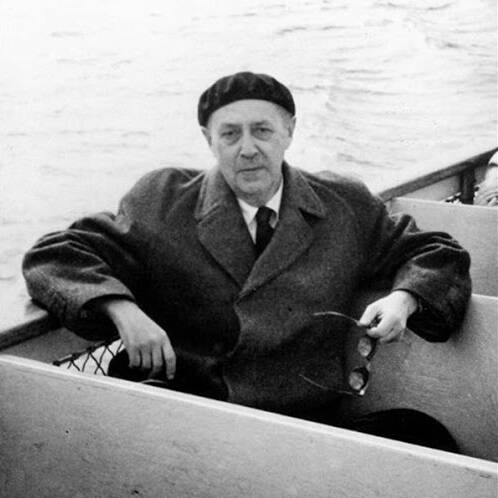
Sándor Márai was a Hungarian writer, poet, and journalist.
-
Friedrich Max Müller
- Enrolled in the University of Leipzig
- Studied in 1843
- Occupations
- linguisttranslatorreligious studies scholarIndologistphilologist
- Biography
-
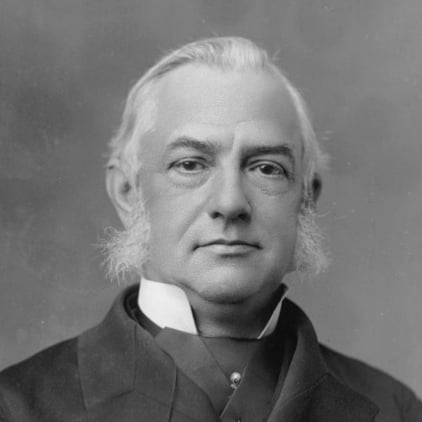
Friedrich Max Müller was a German-born British comparative philologist and Orientalist. He was one of the founders of the Western academic disciplines of Indology and religious studies. Müller wrote both scholarly and popular works on the subject of Indology. He directed the preparation of the Sacred Books of the East, a 50-volume set of English translations which continued after his death.
-
Jean Paul
- Occupations
- writerpoetnovelistlibrettist
- Biography
-
Jean Paul was a German Romantic writer, best known for his humorous novels and stories.
-
Leopold von Ranke
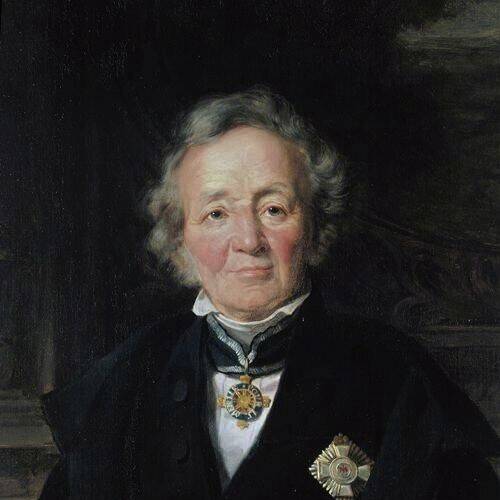
- Enrolled in the University of Leipzig
- 1814-1818 studied philology and theology
- Occupations
- historianwriteruniversity teacher
- Biography
-
Leopold von Ranke was a German historian and a founder of modern source-based history. He was able to implement the seminar teaching method in his classroom and focused on archival research and the analysis of historical documents. Building on the methods of the Göttingen school of history, he was the first to establish a historical seminar. Ranke set the standards for much of later historical writing, introducing such ideas as reliance on primary sources (empiricism), an emphasis on narrative history and especially international politics (Außenpolitik). He was ennobled in 1865, with the addition of a "von" to his name.
-
Friedrich August III of Saxony
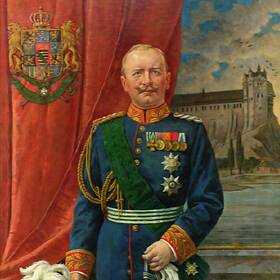
- Occupations
- monarch
- Biography
-
Frederick Augustus III was the last King of Saxony (1904–1918). Born in Dresden, Frederick Augustus was the eldest son of King George of Saxony and his wife, Maria Anna of Portugal.
-
Mikhail Prishvin
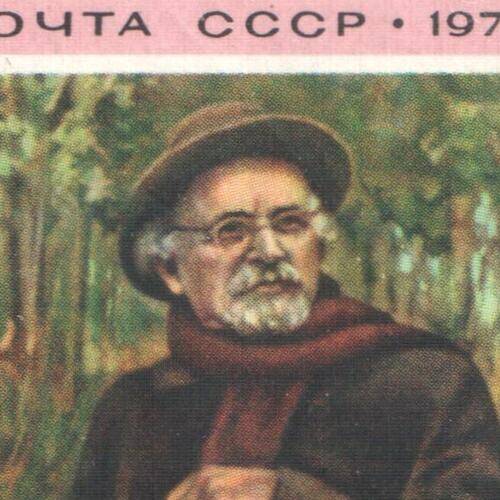
- Enrolled in the University of Leipzig
- In 1902 studied agronomy
- Occupations
- opinion journalistdiaristwar correspondenttravelerlocal historian
- Biography
-
Mikhail Mikhailovich Prishvin was a Russian and Soviet novelist, prose writer and publicist. Prishvin himself defined his place in literature this way: "Rozanov is the afterword of Russian literature, and I am a free supplement. And that's all..."
-
Christian Wolff
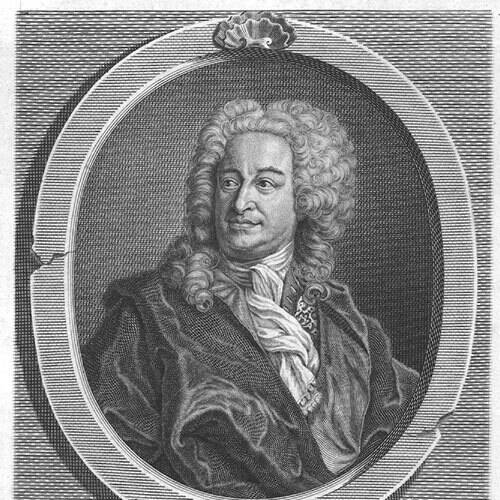
- Occupations
- mathematicianjuristphilosopheruniversity teacher
- Biography
-
Christian Wolff was a German philosopher. Wolff is characterized as one of the most eminent German philosophers between Leibniz and Kant. His life work spanned almost every scholarly subject of his time, displayed and unfolded according to his demonstrative-deductive, mathematical method, which some deem the peak of Enlightenment rationality in Germany.
-
Carl Bosch
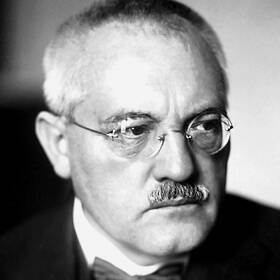
- Occupations
- academicscientific collectorengineerinventorchemist
- Biography
-
Carl Bosch was a German chemist and engineer and Nobel Laureate in Chemistry. He was a pioneer in the field of high-pressure industrial chemistry and founder of IG Farben, at one point the world's largest chemical company.
-
Alexander Radishchev
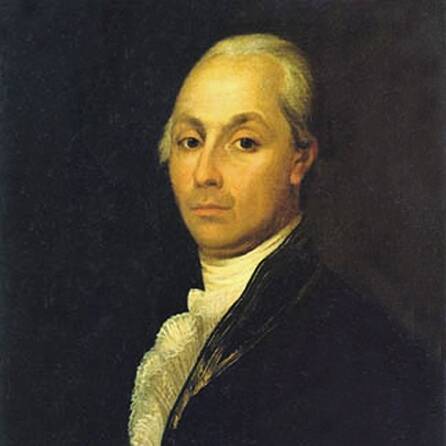
- Enrolled in the University of Leipzig
- Studied in 1766-1771
- Occupations
- novelistwriterphilosophereconomistpoet
- Biography
-
Alexander Nikolayevich Radishchev was a Russian author and social critic who was arrested and exiled under Catherine the Great. He brought the tradition of radicalism in Russian literature to prominence with his 1790 work Journey from St. Petersburg to Moscow. His depiction of socio-economic conditions in Russia resulted in his exile to Siberia until 1797. He was the grandfather of painter Alexey Bogolyubov.
-
Otto von Guericke
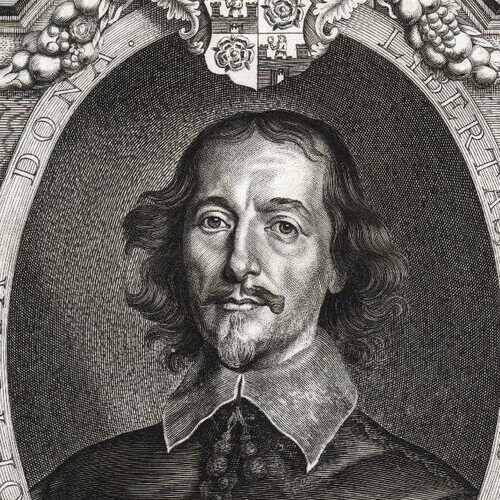
- Occupations
- scientistphysicistjuristinstrument makerengineer
- Biography
-
Otto von Guericke was a German scientist, inventor, mathematician, and physicist. His pioneering scientific work, the development of experimental methods and repeatable demonstrations on the physics of the vacuum, atmospheric pressure, electrostatic repulsion, his advocacy for the reality of "action at a distance" and of "absolute space" were noteworthy contributions for the advancement of the Scientific Revolution.
-
Nicolae Iorga
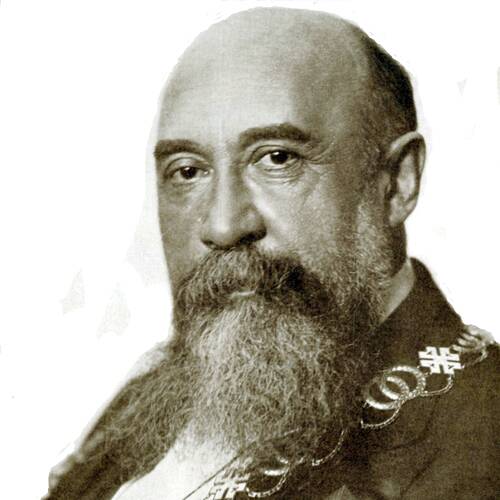
- Occupations
- linguistplaywrightliterary critictranslatororientalist
- Biography
-
Nicolae Iorga was a Romanian historian, politician, literary critic, memoirist, albanologist, poet and playwright. Co-founder (in 1910) of the Democratic Nationalist Party (PND), he served as a member of Parliament, President of the Deputies' Assembly and Senate, cabinet minister and briefly (1931–32) as Prime Minister. A child prodigy, polymath and polyglot, Iorga produced an unusually large body of scholarly works, establishing his international reputation as a medievalist, Byzantinist, Latinist, Slavist, art historian and philosopher of history. Holding teaching positions at the University of Bucharest, the University of Paris and several other academic institutions, Iorga was founder of the International Congress of Byzantine Studies and the Institute of South-East European Studies (ISSEE). His activity also included the transformation of Vălenii de Munte town into a cultural and academic center.
-
Friedrich Wilhelm, Duke of Schleswig-Holstein-Sonderburg-Glücksburg
- Enrolled in the University of Leipzig
- Studied in 1803-1804
- Occupations
- military personnel
- Biography
-
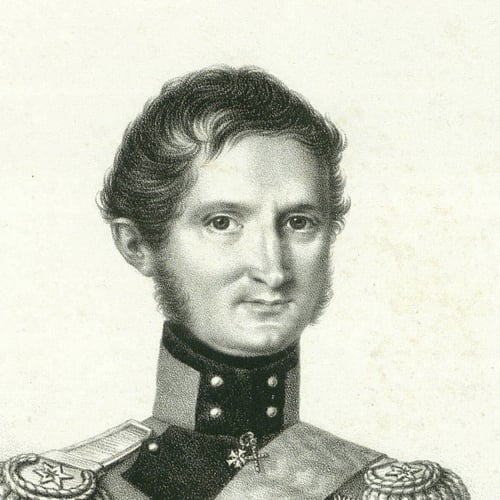
Friedrich Wilhelm, Duke of Schleswig-Holstein-Sonderburg-Glücksburg was a German-Danish prince and officer who was the Duke of Schleswig-Holstein-Sonderburg-Beck from 1816 to 1825, and the Duke of Schleswig-Holstein-Sonderburg-Glücksburg from 1825 to 1831. Friedrich Wilhelm is the progenitor of the House of Glücksburg.
-
Emil Kraepelin
- Occupations
- psychiatristuniversity teacher
- Biography
-
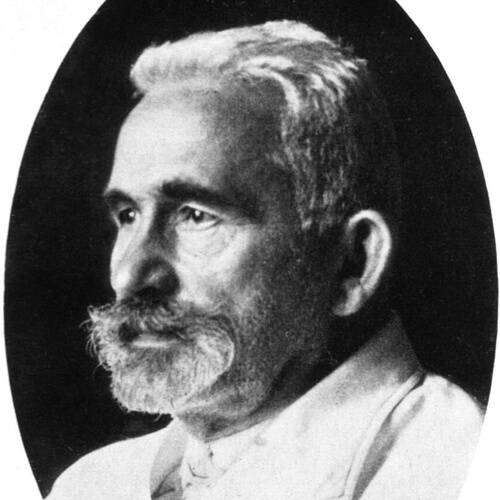
Emil Wilhelm Georg Magnus Kraepelin was a German psychiatrist. H. J. Eysenck's Encyclopedia of Psychology identifies him as helping to lay the foundation for modern scientific psychiatry, psychopharmacology and psychiatric genetics.
-
Christa Wolf
- Occupations
- writercriticscience fiction writerauthorscreenwriter
- Biography
-
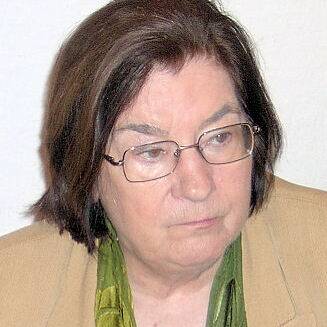
Christa Wolf was a German novelist and essayist. She is considered one of the most important writers to emerge from the former East Germany.
-
Aline Abboud

- Years
- 1988-.. (age 38)
- Enrolled in the University of Leipzig
- 2007-2012 studied Arabic studies
- Occupations
- spokespersonnews presenterjournalisttelevision presenter
- Biography
-
Aline Abboud is a German journalist and television presenter. Having studied Arab studies at Leipzig University, she worked for the German public broadcaster ZDF as an editor and reporter with a focus on foreign affairs. Since September 2021, Abboud presents Tagesthemen, a daily news magazine broadcast by ARD. She is the first woman born in the German Democratic Republic to hold this position.
-
Bernhard Grzimek
- Occupations
- writerzoologistveterinarianphotographerfilm director
- Biography
-
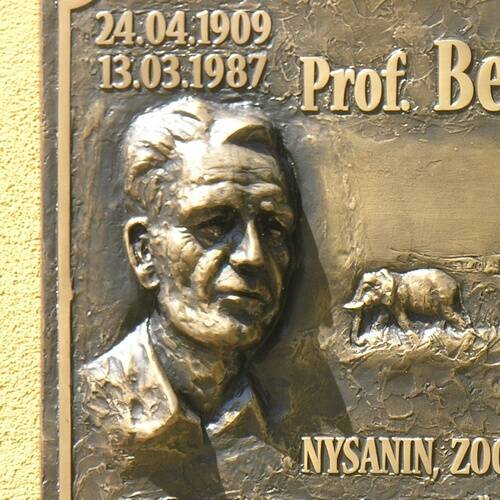
Bernhard Klemens Maria Hoffbauer Pius Grzimek was a German zoo director, zoologist, book author, editor, and animal conservationist in postwar West Germany. During the Third Reich, he served as a veterinarian in the army. After World War II, he popularized the study of animals and an interest in wildlife in Germany, becoming the public face of Frankfurt Zoo, producing a popular German magazine called Das Tier, giving radio talks and appearing on a popular television series Ein Platz für Tiere [A place for animals] in the 1950s and 60s, apart from producing a multi-volume encyclopedia on animals. He wrote another book Kein Platz für wilde Tiere [No Place for Wild Animals] (1954) which was later produced as a documentary on the problems of African wildlife. Along with his son Michael Grzimek he produced a documentary Serengeti Shall Not Die which won an Oscar. He was involved in popularizing African wildlife and was involved in wildlife conservation in Africa, particularly in the Serengeti. He served as a government advisor on conservation and campaigned against the use of animal furs for fashion. He sometimes wrote under the pseudonym "Clemens Hoffbauer".
-
Johann Tetzel
- Occupations
- Catholic priestreligiouspreachertheologian
- Biography
-
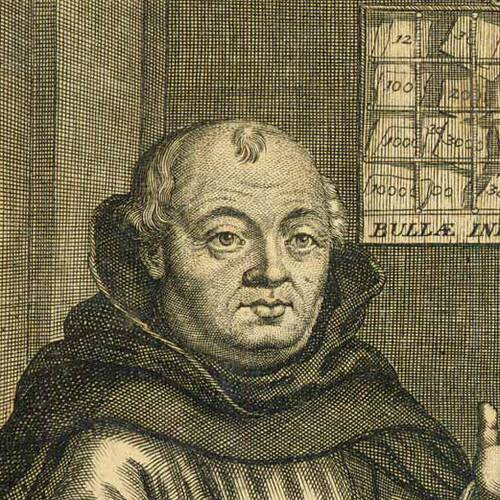
Johann Tetzel OP was a German Dominican friar and preacher. He was appointed Inquisitor for Poland and Saxony, later becoming the Grand Commissioner for indulgences in Germany. Tetzel was known for granting indulgences on behalf of the Catholic Church in exchange for tithes to the Church. Indulgences grant a degree of expiation of the punishments of purgatory due to sin. However, the misuse of indulgences within the Church largely contributed to Martin Luther writing his Ninety-five Theses. The main usage of the indulgences by Tetzel was to help fund and build the new St. Peter's Basilica in Rome.
-
Friedrich Carl von Savigny
- Occupations
- juristwriterlegal historianuniversity teacherphilosopher
- Biography
-
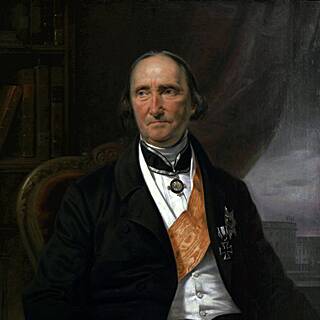
Friedrich Carl von Savigny was a German jurist and historian.
-
Wilhelm Ostwald
- Occupations
- physicistuniversity teacherwriterinventorIdist
- Biography
-
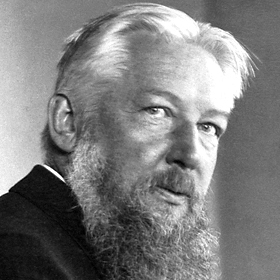
Wilhelm Friedrich Ostwald was a Baltic German chemist and philosopher. Ostwald is credited with being one of the founders of the field of physical chemistry, with Jacobus Henricus van 't Hoff, Walther Nernst and Svante Arrhenius. He received the Nobel Prize in Chemistry in 1909 for his scientific contributions to the fields of catalysis, chemical equilibria and reaction velocities.
-
Cai Yuanpei
- Occupations
- philosopheruniversity teacherEsperantistpolitician
- Biography
-
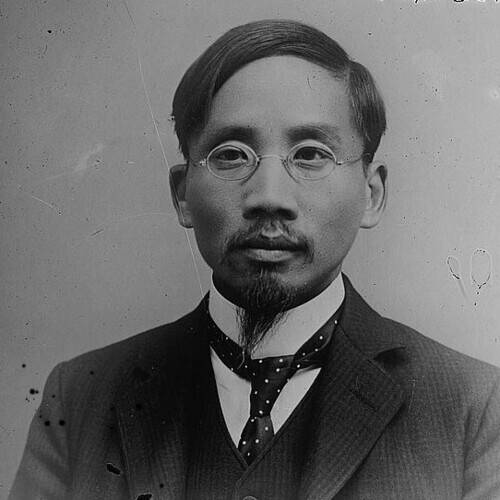
Cai Yuanpei, spelt Ts'ai Yuan-p'ei during his lifetime, was a Chinese philosopher and politician who was an influential figure in the history of Chinese modern education. He made contributions to education reform with his own education ideology. He was the president of Peking University, and founder of the Academia Sinica. He was known for his critical evaluation of Chinese culture and synthesis of Chinese and Western thinking, including anarchism. He got involved in the New Culture, May Fourth Movements, and the feminist movement. His works involve aesthetic education, politics, and education reform.
-
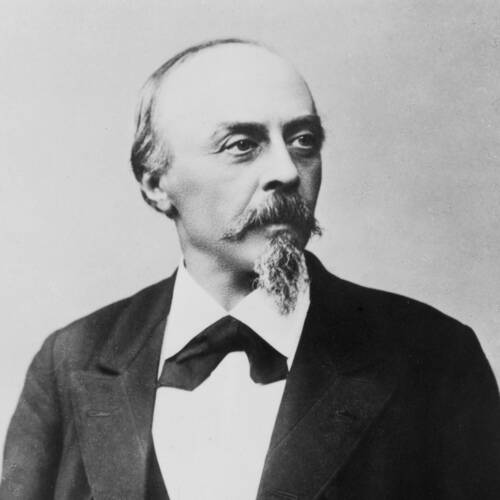
Hans von Bülow
- Occupations
- composerconductorpianistmusic educator
- Biography
-
Freiherr Hans Guido von Bülow was a German conductor, pianist, and composer of the Romantic era. As one of the most distinguished conductors of the 19th century, his activity was critical for establishing the successes of several major composers of the time, especially Richard Wagner and Johannes Brahms. Alongside Carl Tausig, Bülow was perhaps the most prominent of the early students of the Hungarian composer, pianist and conductor Franz Liszt; he gave the first public performance of Liszt's Sonata in B minor in 1857. He became acquainted with, fell in love with and eventually married Liszt's daughter Cosima, who later left him for Wagner. Noted for his interpretation of the works of Ludwig van Beethoven, he was one of the earliest European musicians to tour the United States.
-
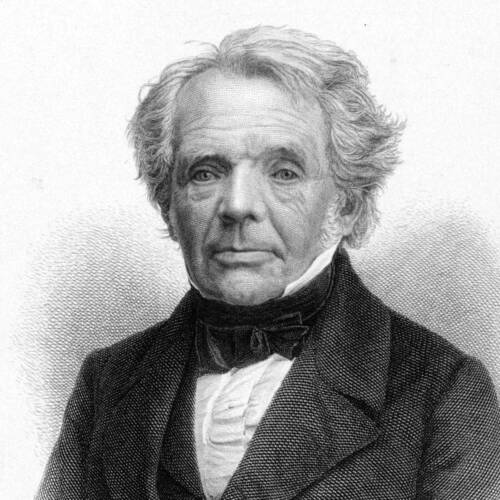
August Ferdinand Möbius
- Enrolled in the University of Leipzig
- Studied in 1809-1813
- Occupations
- university teachermathematicianastronomer
- Biography
-
August Ferdinand Möbius was a German mathematician and theoretical astronomer.
-
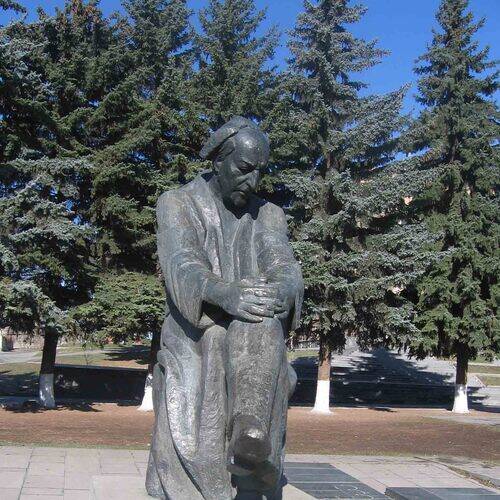
Avetik Isahakyan
- Enrolled in the University of Leipzig
- Studied in 1893-1895
- Occupations
- opinion journalistprose writerwriterpublic figurepoet
- Biography
-
Avetik Sahaki Isahakyan was an Armenian lyric poet, writer and public activist.
-
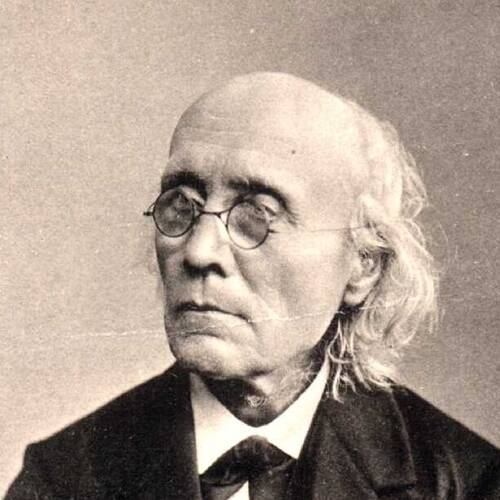
Gustav Fechner
- Occupations
- statisticianphysicistphilosopheruniversity teacherwriter
- Biography
-
Gustav Theodor Fechner was a German physicist, philosopher, and experimental psychologist. A pioneer in experimental psychology and founder of psychophysics (techniques for measuring the mind), he inspired many 20th-century scientists and philosophers. He is also credited with demonstrating the non-linear relationship between psychological sensation and the physical intensity of a stimulus via the formula: S = K ln I {\displaystyle S=K\ln I}, which became known as the Weber–Fechner law.
-
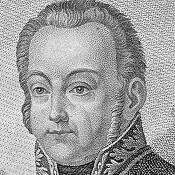
Louis II, Grand Duke of Hesse
- Occupations
- sovereign
- Biography
-
Louis II was Grand Duke of Hesse and by Rhine from 6 April 1830 until 16 June 1848. He was the son of Louis I, Grand Duke of Hesse, and Princess Louise of Hesse-Darmstadt.
-
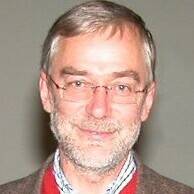
Gerald Hüther
- Occupations
- university teacherneurobiologistnon-fiction writer
- Biography
-
Gerald Hüther is a German neurobiologist and author of popular science books and other writings.
-
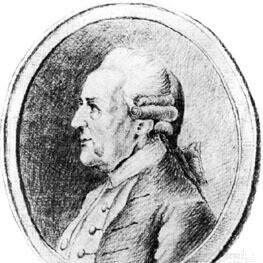
Wilhelm Friedemann Bach
- Occupations
- composerpianistindependent publishermusic arrangerorganist
- Biography
-
Wilhelm Friedemann Bach was a German composer, organist and harpsichordist. He was the second child and eldest son of Johann Sebastian Bach and Maria Barbara Bach. Despite his acknowledged genius as an improviser and composer, his income and employment were unstable, and he died in poverty.
-
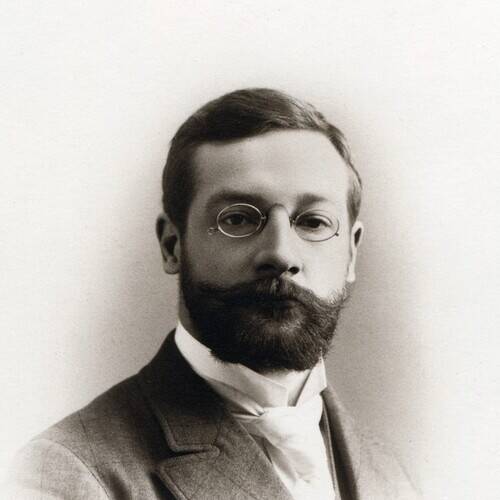
Edward B. Titchener
- Occupations
- university teacherphilosopherpsychologist
- Biography
-
Edward Bradford Titchener was an English psychologist who studied under Wilhelm Wundt for several years. Titchener is best known for creating his version of psychology that described the structure of the mind: structuralism. After becoming a professor at Cornell University, he created the largest doctoral program at that time in the United States. His first graduate student, Margaret Floy Washburn, became the first woman to be granted a PhD in psychology (1894).
-
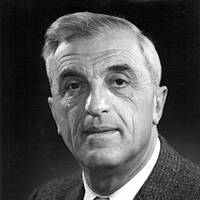
Felix Bloch
- Occupations
- university teachernuclear physicistphysicist
- Biography
-
Felix Bloch was a Swiss-American theoretical physicist who shared the 1952 Nobel Prize in Physics with Edward Mills Purcell "for their development of new methods for nuclear magnetic precision measurements and discoveries in connection therewith".
-
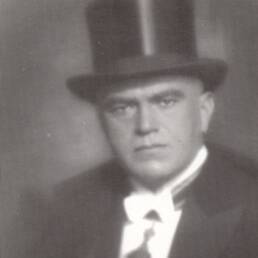
Petru Groza
- Occupations
- bankerpoliticianlawyerentrepreneurbusinessperson
- Biography
-
Petru Groza was a Romanian politician, best known as the first Prime Minister of the Communist Party-dominated government under Soviet occupation during the early stages of the Communist regime in Romania, and later as the President of the Presidium of the Great National Assembly (nominal head of state of Romania) from 1952 until his death in 1958.
-
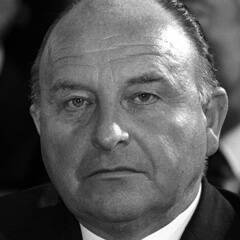
Siegfried Buback
- Enrolled in the University of Leipzig
- Studied law
- Occupations
- assessorjuristlawyerjudge
- Biography
-
Siegfried Buback was the Attorney General of West Germany from 1974 until his murder in 1977.
-
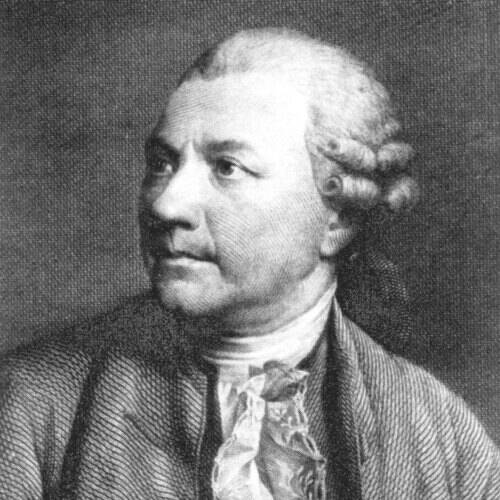
Friedrich Gottlieb Klopstock
- Occupations
- writerplaywrightlinguistpoetin-home tutor
- Biography
-
Friedrich Gottlieb Klopstock was a German poet. His best known works are the epic poem Der Messias ("The Messiah") and the poem Die Auferstehung ("The Resurrection"), with the latter set to music in the finale of Gustav Mahler's Symphony No. 2. One of his major contributions to German literature was to open it up to exploration outside of French models.
-
Ulrich von Hutten
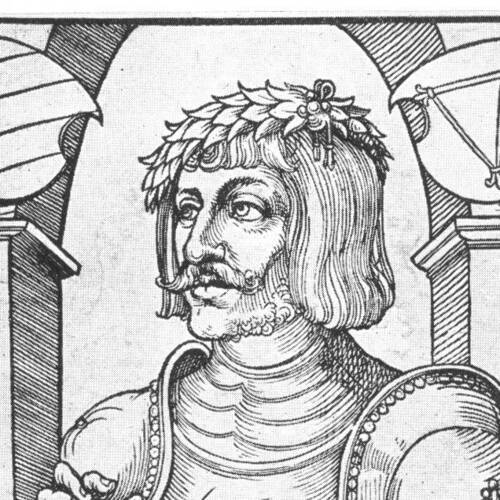
- Occupations
- poetImperial Knightwriterphilosophermonk
- Biography
-
Ulrich von Hutten was a German knight, scholar, poet and satirist, who later became a follower of Martin Luther and a Protestant reformer.
-
Walther Nernst
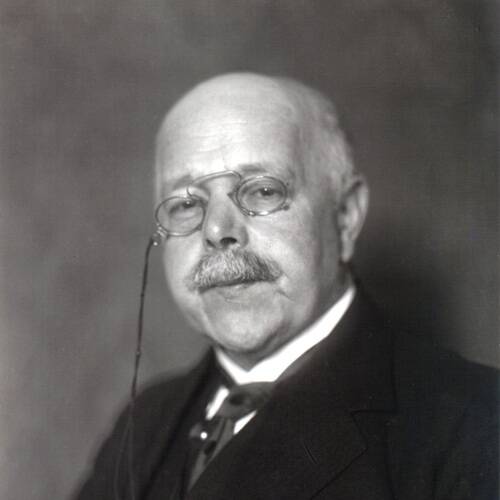
- Occupations
- university teacherchemistphysicist
- Biography
-
Walther Hermann Nernst ForMemRS was a German physical chemist known for his work in thermodynamics, physical chemistry, electrochemistry, and solid-state physics. His formulation of the Nernst heat theorem helped pave the way for the third law of thermodynamics, for which he won the 1920 Nobel Prize in Chemistry. He is also known for developing the Nernst equation in 1887.
-
Robin Alexander
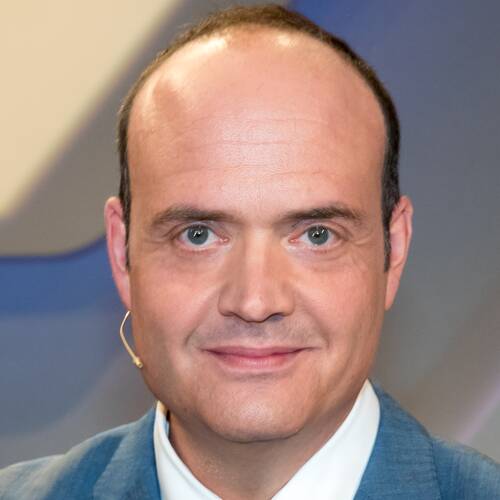
- Enrolled in the University of Leipzig
- Studied journalism
- Occupations
- opinion journalisttelevision presenterwriterjournalisttranslator
- Biography
-
Robin Alexander is a German journalist and author. He reports mainly for the Die Welt group on the German Chancellery and the CDU/CSU parties.
-
Ernst Chladni
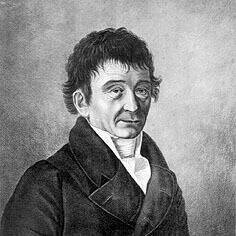
- Occupations
- musicianphysicistgeologistmathematicianastronomer
- Biography
-
Ernst Florens Friedrich Chladni was a German physicist and musician. His most important work, for which he is sometimes labeled the father of acoustics, included research on vibrating plates and the calculation of the speed of sound for different gases. He also undertook pioneering work in the study of meteorites and is regarded by some as the father of meteoritics.
-
Georgius Agricola
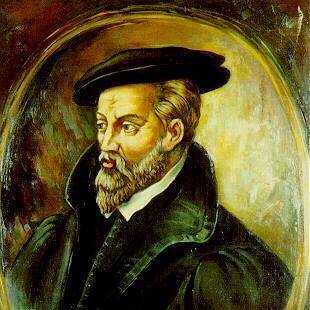
- Enrolled in the University of Leipzig
- 1514-1518 studied ancient language
- Occupations
- metallurgistchemisthistorianengineerphilosopher
- Biography
-
Georgius Agricola was a German Humanist scholar, mineralogist and metallurgist. Born in the small town of Glauchau, in the Electorate of Saxony of the Holy Roman Empire, he was broadly educated, but took a particular interest in the mining and refining of metals. He was the first to drop the Arabic definite article al-, exclusively writing chymia and chymista in describing activity that we today would characterize as chemical or alchemical, giving chemistry its modern name. For his groundbreaking work De Natura Fossilium published in 1546, he is generally referred to as the father of mineralogy and the founder of geology as a scientific discipline.
-
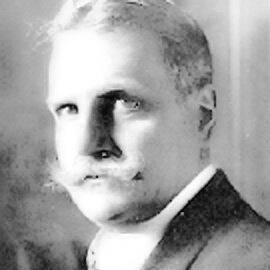
Robert Michels
- Occupations
- university teacherphilosophersociologist
- Biography
-
Robert Michels was a German-born Italian sociologist who contributed to elite theory by describing the political behavior of intellectual elites. He belonged to the Italian school of elitism. He is known best for his book Political Parties, published in 1911, which contains a description of the "iron law of oligarchy".
-
Gustav Radbruch
- Occupations
- juristprofessorpolitician
- Biography
-
Gustav Radbruch was a German legal scholar and politician. He served as Minister of Justice of Germany during the early Weimar period. Radbruch is also regarded as one of the most influential legal philosophers of the 20th century.
-
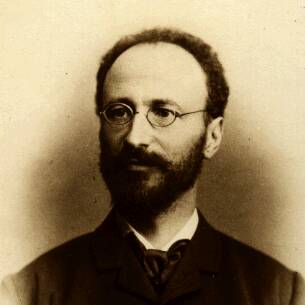
Eugen von Böhm-Bawerk
- Occupations
- university teachereconomistpolitician
- Biography
-
Eugen Böhm Ritter von Bawerk was an Austrian-school intellectual and political economist who served intermittently as the Minister of Finance of Austria between 1895 and 1904. Böhm-Bawerk is noted for the theory of Roundaboutness, which emphasizes the time intensity, not only capital intensity, of investments in capital goods to increase productivity. He advanced an interest rate theory centered on time preference. He also wrote an extensive critique of Marxism and Marx's labor theory of value.
-
Janusz Radziwiłł
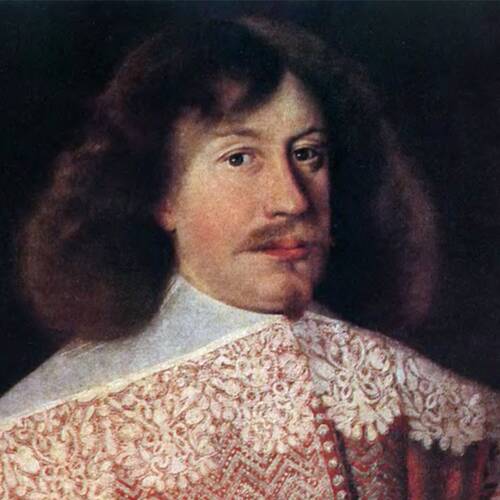
- Occupations
- diplomatmilitary leaderpolitician
- Biography
-
Prince Janusz Radziwiłł, also known as Janusz the Second or Janusz the Younger was a noble and magnate in the Polish–Lithuanian Commonwealth. Throughout his life he occupied a number of posts in the state administration, including that of Court Chamberlain of Lithuania (from 1633), Field Hetman of Lithuania (from 1646) and Grand Hetman of Lithuania (from 1654). He was also a voivode of Vilna Voivodeship (from 1653), as well as a starost of Samogitia, Kamieniec, Kazimierz and Sejwy. He was a protector of the Protestant religion in Lithuania and sponsor of many Protestant schools and churches.
-
Georg Jellinek
- Occupations
- university teacherjudgephilosopherjuristsociologist
- Biography
-
Georg Jellinek was a German public lawyer and was considered to be "the exponent of public law in Austria".
-
Samuel von Pufendorf
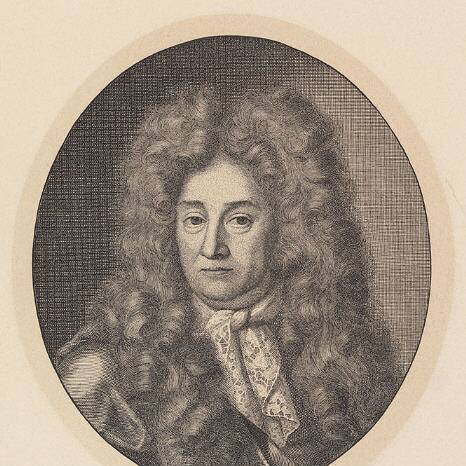
- Occupations
- economistjuristwriteruniversity teacherphilosopher
- Biography
-
Samuel von Pufendorf was a German jurist, political philosopher, economist and historian. He was born Samuel Pufendorf and ennobled in 1694; he was made a baron by Charles XI of Sweden a few months before his death at age 62. Among his achievements are his commentaries and revisions of the natural law theories of Thomas Hobbes and Hugo Grotius.
-
Georg Michaelis
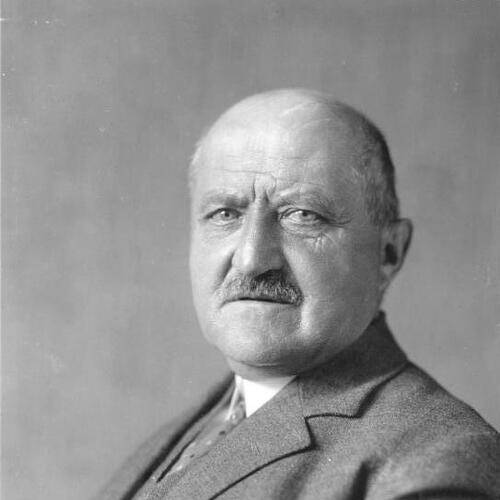
- Occupations
- juristlawyerpolitician
- Biography
-
Georg Michaelis was the imperial chancellor of the German Empire for a few months in 1917. He was the first (and, in the German Empire, the only) commoner to hold the post. With an economic background in business, Michaelis' main achievement was to encourage the ruling classes to open peace talks with Russia. Contemplating that the end of the war was near, he encouraged infrastructure development to facilitate recovery at war's end. A somewhat humourless character, known for process engineering, Michaelis was faced with insurmountable problems of logistics and supply in his brief period as chancellor.
-
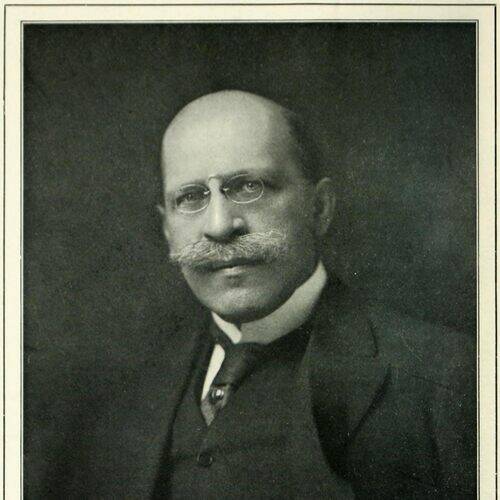
Hugo Münsterberg
- Occupations
- writerphilosopherpsychologistuniversity teacher
- Biography
-
Hugo Münsterberg was a German-American psychologist. He was one of the pioneers in applied psychology, extending his research and theories to industrial/organizational (I/O), legal, medical, clinical, educational and business settings. Münsterberg experienced immense turmoil with the outbreak of the First World War. Torn between his loyalty to the United States and his homeland, he often defended Germany's wartime actions, and was ostracized at Harvard.
-
Wladimir Köppen
- Occupations
- meteorologistgeographerclimatologistearth scientistEsperantist
- Biography
-
Wladimir Petrovich Köppen was a Russian–German geographer, meteorologist, climatologist and botanist. After studies in St. Petersburg, he spent the bulk of his life and professional career in Germany and Austria. The Köppen climate classification system, named after a proposal he first made in 1884, with some modifications, is still widely used. Köppen made significant contributions to several branches of science, and coined the name aerology for the science of the upper atmosphere.
-
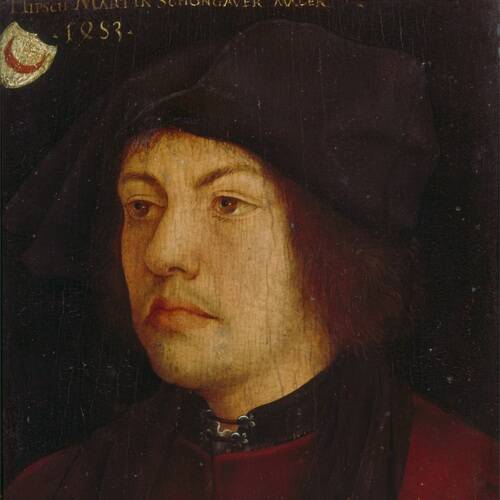
Martin Schongauer
- Occupations
- painterdraftspersoncopper engraverartistengraver
- Biography
-
Martin Schongauer, also known as Martin Schön ("Martin beautiful") or Hübsch Martin ("pretty Martin") by his contemporaries, was an Alsatian engraver and painter. He was the most important printmaker north of the Alps before Albrecht Dürer, a younger artist who collected his work. Schongauer is the first German painter to be a significant engraver, although he seems to have had the family background and training in goldsmithing which was usual for early engravers.
-
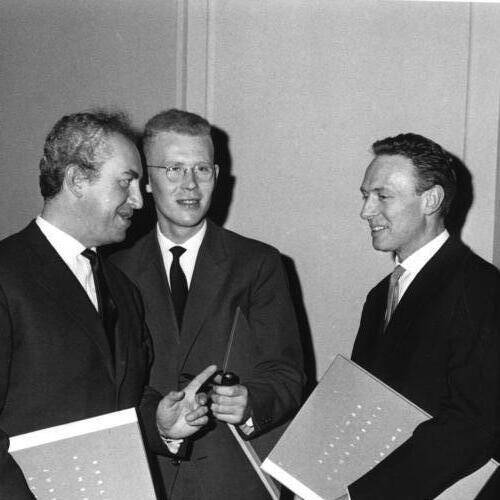
Uwe Johnson
- Occupations
- novelistwritertranslator
- Biography
-
Uwe Johnson was a German writer, editor, and scholar. Such prominent writers and scholars as Günter Grass and Hans Mayer declared Johnson to be the most significant writer to emerge from East Germany. During the 1950s, he had troubles with the East German authorities, being treated as a "dissident" both for political reasons and for Modernist experiments in his works which made him opposed to the dominant doctrine of Socialist realism; after moving to West Berlin in 1959, he gained the label of "the author of the two Germanies", as, while criticizing East Germany as the state which betrayed the Socialist ideals, he did not regard West Germany as a viable alternative and opposed the division of Germany in general. His works were dedicated both to East and West German societies and examined the relations between them.
-
Regiomontanus
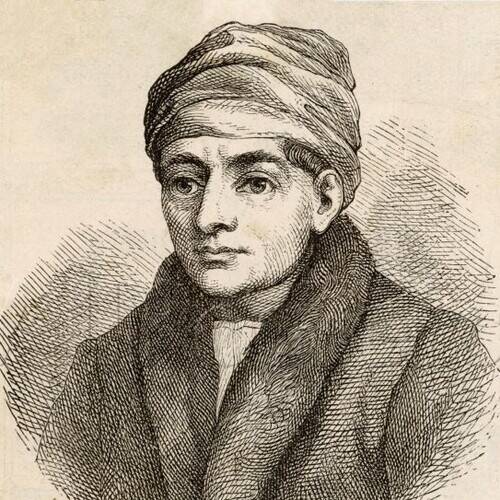
- Enrolled in the University of Leipzig
- Studied in 1447-1450
- Occupations
- Catholic bishopastrologerastronomerprintermathematician
- Biography
-
Johannes Müller von Königsberg, better known as Regiomontanus, was a mathematician, astrologer and astronomer of the German Renaissance, active in Vienna, Buda and Nuremberg. His contributions were instrumental in the development of Copernican heliocentrism in the decades following his death.
-
Heinrich von Treitschke
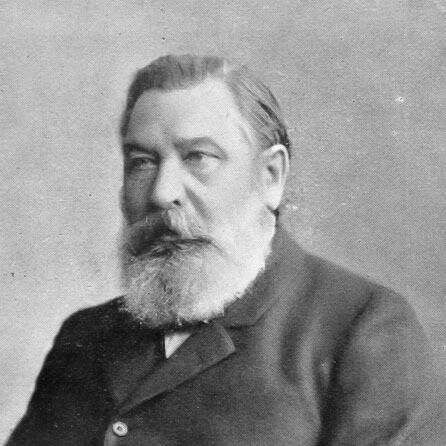
- Enrolled in the University of Leipzig
- Studied in 1852-1853
- Occupations
- historian of Modern Agewriteruniversity teacheropinion journalistpolitician
- Biography
-
Heinrich Gotthard von Treitschke was a German historian, political writer and National Liberal member of the Reichstag during the time of the German Empire.
-
Uwe Tellkamp
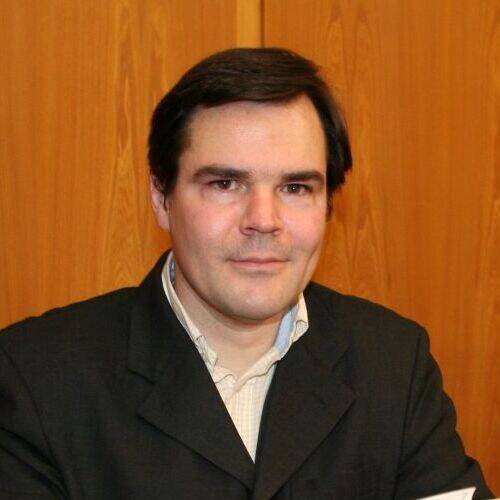
- Occupations
- physiciannovelistphysician writerscreenwriter
- Biography
-
Uwe Tellkamp is a German writer and physician. He practised medicine until 2004. Before the fall of communism, he was enlisted in the National People's Army as a tank commander and imprisoned when he refused to break up a demonstration in October 1989. Until the fall of the German Democratic Republic shortly after, he was prohibited from studying medicine.
-
Adolf von Harnack
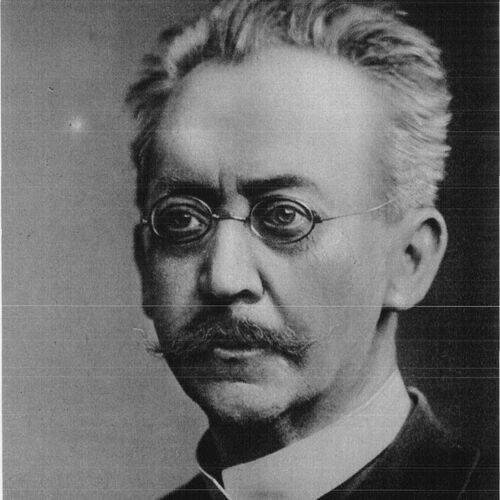
- Occupations
- church historianwriteruniversity teachertheologianlibrarian
- Biography
-
Carl Gustav Adolf von Harnack was a Baltic German Lutheran theologian and prominent Church historian. He produced many religious publications from 1873 to 1912 (in which he is sometimes credited as Adolf Harnack). He was ennobled (with the addition of von to his name) in 1914.
-
Emil Artin
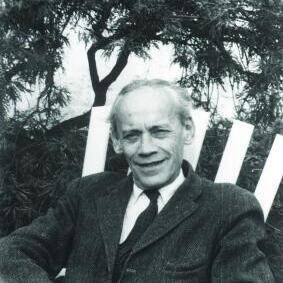
- Enrolled in the University of Leipzig
- 1919-1921 graduated with doctorate
- Occupations
- mathematicianuniversity teacher
- Biography
-
Emil Artin was an Austrian mathematician of Armenian descent.
-
Aurel Stein
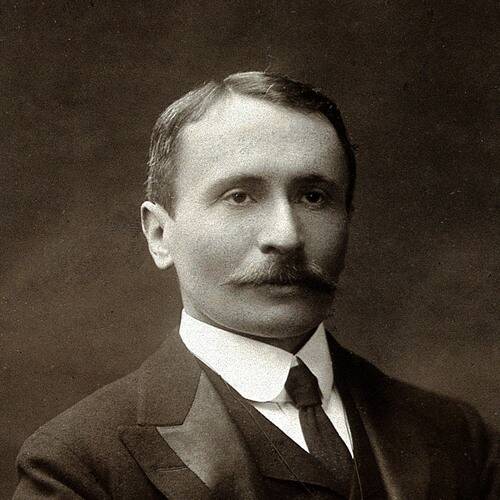
- Occupations
- exploreruniversity teacherarchaeologistart historiananthropologist
- Biography
-
Sir Marc Aurel Stein, KCIE, FRAS, FBA was a Hungarian-born British archaeologist, primarily known for his explorations and archaeological discoveries in Central Asia. He was also a professor at Indian universities.
-
Jan Kasprowicz
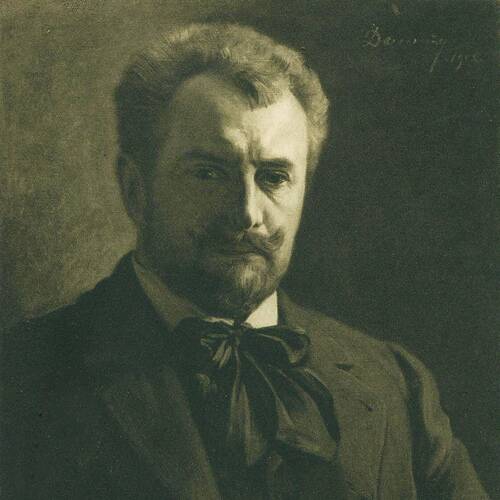
- Occupations
- professorpoetwritertranslatorliterary historian
- Biography
-
Jan Kasprowicz was a Polish poet, playwright, critic and translator; a foremost representative of Young Poland.
-
Lothar Bisky
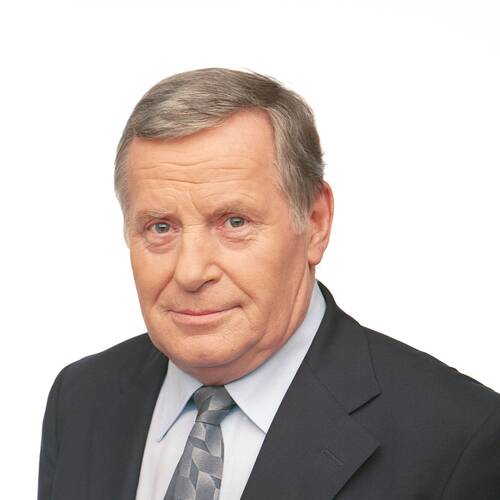
- Enrolled in the University of Leipzig
- 1963-1966 studied cultural studies
- Occupations
- university teacherpolitician
- Biography
-
Lothar Bisky was a German politician. He was the chairman of the Party of Democratic Socialism (PDS), the successor of East Germany's Socialist Unity Party (SED). In June 2007, he became co-chairman of The Left (Die Linke) party, formed by a merger of the PDS and the much smaller Labour and Social Justice – The Electoral Alternative. From 2007 until 2010, he was the President of the Party of the European Left. Also, he was the Publisher of the socialist newspaper Neues Deutschland.
-
Felix Hausdorff
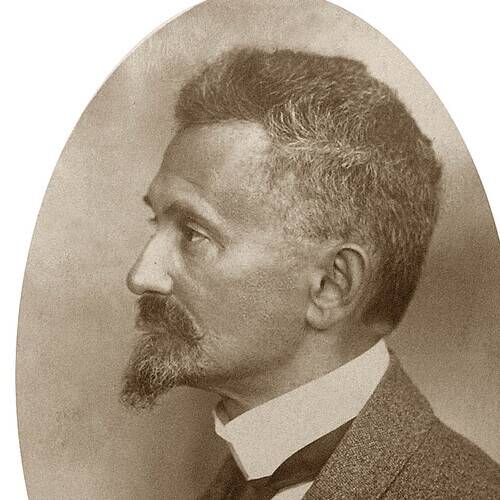
- Occupations
- writeruniversity teachertopologistmathematician
- Biography
-
Felix Hausdorff was a German mathematician, pseudonym Paul Mongré (à mon gré (Fr.) = "according to my taste"), who is considered to be one of the founders of modern topology and who contributed significantly to set theory, descriptive set theory, measure theory, and functional analysis.
-
Philip, Prince of Eulenburg
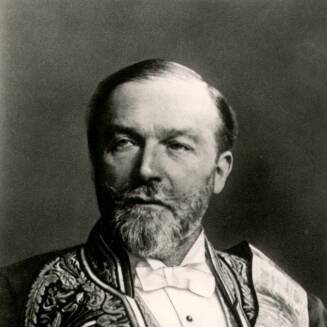
- Years
- 1847-1921 (aged 74)
- Occupations
- diplomatwriterpolitician
- Biography
-
Philipp, Prince of Eulenburg and Hertefeld, Count of Sandels was a diplomat of the German Empire who achieved considerable influence as close friend of Wilhelm II, German Emperor. On 1 January 1900, the Emperor created the then count an hereditary prince (Fürst).