100 Notable alumni of
Humboldt University of Berlin
Updated:
The Humboldt University of Berlin is 31st in the world, 11th in Europe, and 1st in Germany by aggregated alumni prominence. Below is the list of 100 notable alumni from the Humboldt University of Berlin sorted by their wiki pages popularity. The directory includes famous graduates and former students along with research and academic staff. 7 individuals affiliated with the Humboldt University of Berlin won Nobel Prizes in Physics and Chemistry.
-
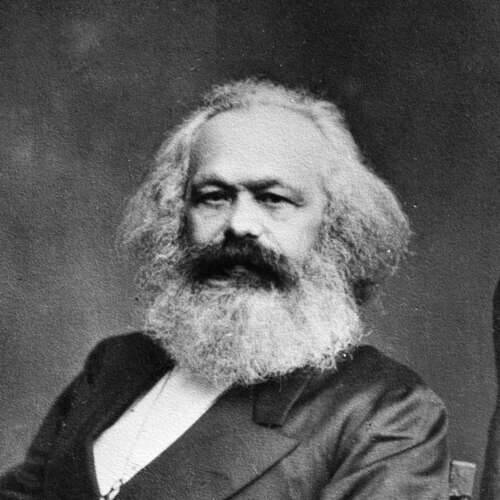
Karl Marx
- Enrolled in the Humboldt University of Berlin
- In 1836 studied philosophy and jurisprudence
- Occupations
- sociologisthistorianwritereconomistphilosopher
- Biography
-
Karl Marx was a German philosopher, social and political theorist, economist, journalist, and revolutionary socialist. He is best-known for the 1848 pamphlet The Communist Manifesto (written with Friedrich Engels), and his three-volume Das Kapital (1867–1894), a critique of classical political economy which employs his theory of historical materialism in an analysis of capitalism, in the culmination of his life's work. Marx's ideas and their subsequent development, collectively known as Marxism, have had enormous influence.
-
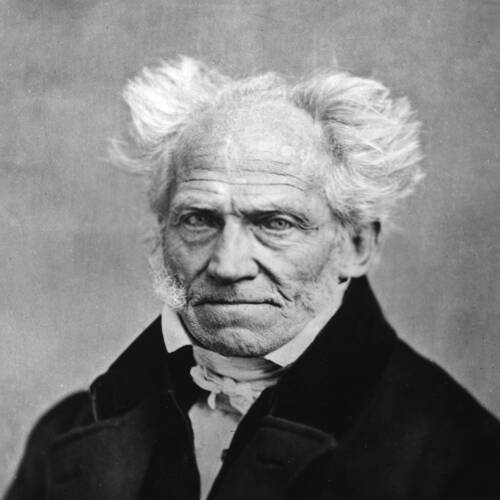
Arthur Schopenhauer
- Enrolled in the Humboldt University of Berlin
- Studied in 1811
- Occupations
- university teacherwriterphilosophermusicologisttranslator
- Biography
-
Arthur Schopenhauer was a German philosopher. He is known for his 1818 work The World as Will and Representation (expanded in 1844), which characterizes the phenomenal world as the manifestation of a blind and irrational noumenal will. Building on the transcendental idealism of Immanuel Kant, Schopenhauer developed an atheistic metaphysical and ethical system that rejected the contemporaneous ideas of German idealism.
-
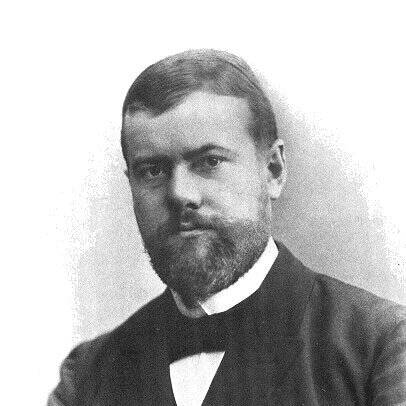
Max Weber
- Occupations
- lawyerhistorianphilosophermusicologistjurist
- Biography
-
Maximilian Carl Emil Weber was a German sociologist, historian, jurist, and political economist who was one of the central figures in the development of sociology and the social sciences more generally. His ideas continue to influence social theory and research.
-
Hannah Arendt
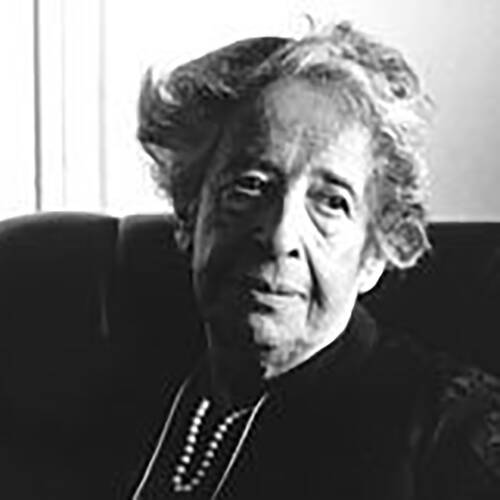
- Enrolled in the Humboldt University of Berlin
- Studied in 1922-1923
- Occupations
- sociologistuniversity teacherhistorianresistance fighterwriter
- Biography
-
Hannah Arendt was a German and American historian and philosopher. She was one of the most influential political theorists of the twentieth century.
-
Angela Davis
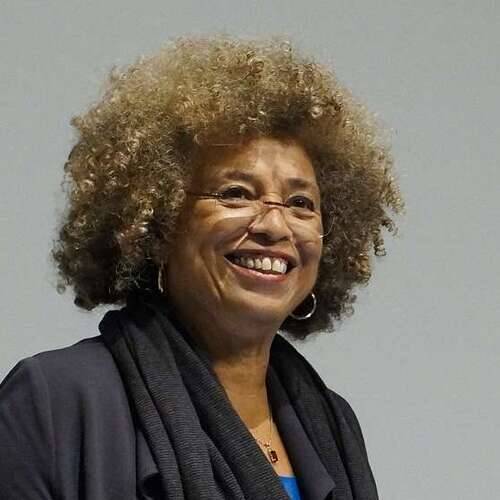
- Occupations
- university teacherwomen's rights activisthuman rights defenderpolitical prisonerwriter
- Biography
-
Angela Yvonne Davis is an American Marxist and feminist political activist, philosopher, academic, author and social theorist. She is Distinguished Professor Emerita of Feminist Studies and History of Consciousness at the University of California, Santa Cruz. Davis was a longtime member of the Communist Party USA (CPUSA) and a founding member of the Committees of Correspondence for Democracy and Socialism (CCDS). She has been active in movements such as the Occupy movement and the Boycott, Divestment and Sanctions campaign.
-
Sahra Wagenknecht
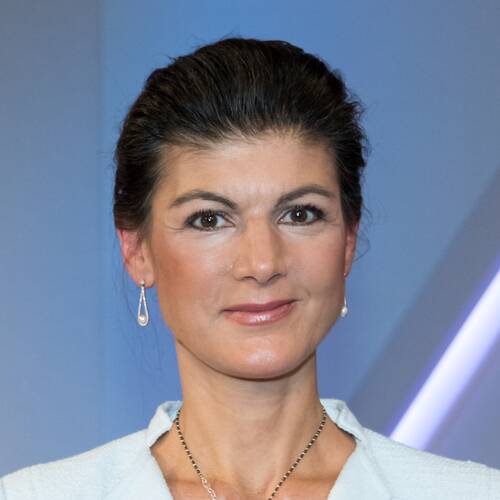
- Occupations
- economistnon-fiction writeropinion journalisteditorpolitician
- Biography
-
Sahra Wagenknecht is a German politician. She was a member of the Bundestag from 2009 to 2025, where she represented The Left until 2023. From 2015 to 2019, she served as that party's parliamentary co-chair. With a small team of allies, Wagenknecht left the party on 23 October 2023 to found her own Eurosceptic, populist party, Bündnis Sahra Wagenknecht, which unsuccessfully contested the 2025 federal election, narrowly failing the 5% threshold. Since 2025, she no longer holds any public office.
-
Erwin Schrödinger
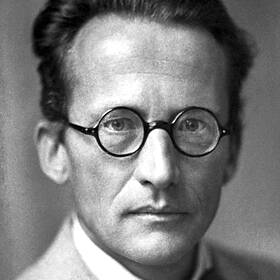
- Occupations
- university teacherphysicisttheoretical physicistnon-fiction writermathematician
- Biography
-
Erwin Rudolf Josef Alexander Schrödinger, sometimes written as Schroedinger or Schrodinger, was an Austrian–Irish theoretical physicist who developed fundamental results in quantum theory. In particular, he is recognized for devising the Schrödinger equation, an equation that provides a way to calculate the wave function of a system and how it changes dynamically in time. He coined the term "quantum entanglement" in 1935. Schrödinger shared the 1933 Nobel Prize in Physics with Paul Dirac "for the discovery of new productive forms of atomic theory."
-
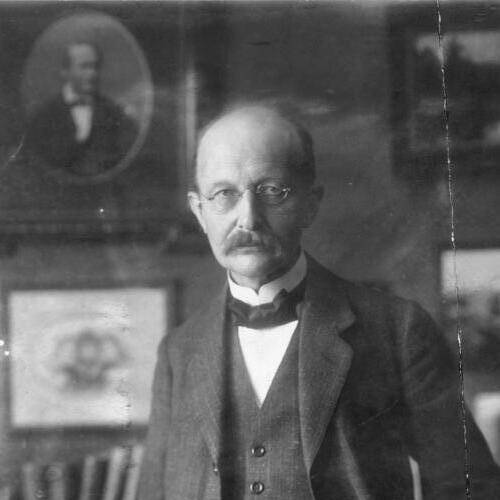
Max Planck
- Occupations
- theoretical physicistphysicistphilosopheruniversity teacher
- Biography
-
Max Karl Ernst Ludwig Planck was a German theoretical physicist. He won the 1918 Nobel Prize in Physics "for the services he rendered to the advancement of physics by his discovery of energy quanta".
-
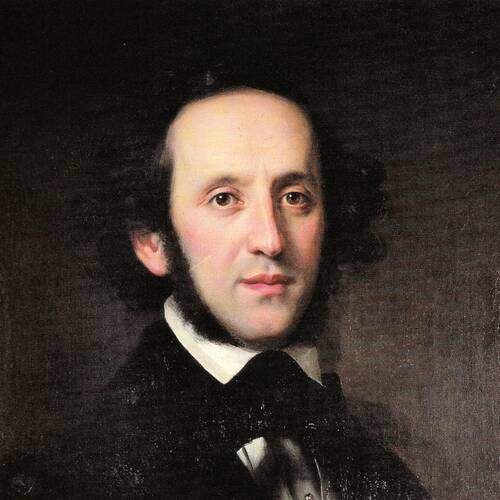
Felix Mendelssohn
- Occupations
- composeruniversity teacherpianistorganistwriter
- Biography
-
Jakob Ludwig Felix Mendelssohn Bartholdy, widely known as Felix Mendelssohn, was a German composer, pianist, organist and conductor of the early Romantic period. Mendelssohn's compositions include symphonies, concertos, piano music, organ music and chamber music. His best-known works include the overture and incidental music for A Midsummer Night's Dream (which includes his "Wedding March"), the Italian and Scottish Symphonies, the oratorios St. Paul and Elijah, the Hebrides Overture, the mature Violin Concerto, the String Octet, and the melody used in the Christmas carol "Hark! The Herald Angels Sing". Mendelssohn's Songs Without Words are his most famous solo piano compositions.
-
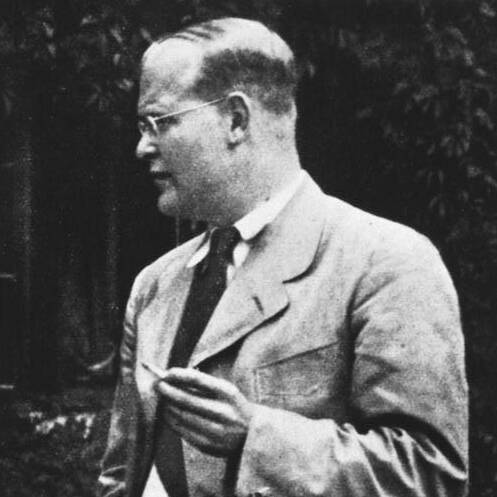
Dietrich Bonhoeffer
- Enrolled in the Humboldt University of Berlin
- In 1927 graduated with doctorate in theology
- Occupations
- theologianphilosopherresistance fighterpastorpoet
- Biography
-
Dietrich Bonhoeffer was a German Lutheran pastor, neo-orthodox theologian and anti-Nazi dissident who was a key founding member of the Confessing Church. His writings on Christianity's role in the secular world have become widely influential; his 1937 book The Cost of Discipleship is described as a modern classic. Apart from his theological writings, Bonhoeffer was known for his staunch resistance to the Nazi dictatorship, including vocal opposition to Nazi euthanasia program and genocidal persecution of Jews. He was arrested in April 1943 by the Gestapo and imprisoned at Tegel Prison for a year and a half. Later, he was transferred to Flossenbürg concentration camp.
-
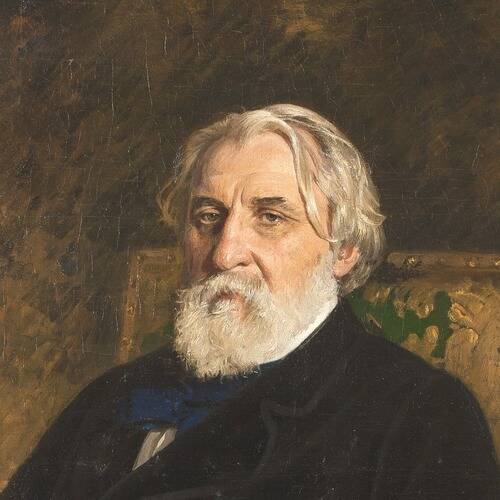
Ivan Turgenev
- Occupations
- short story writerwriterdramaturgeprose writerplaywright
- Biography
-
Ivan Sergeyevich Turgenev was a Russian novelist, short story writer, poet, playwright, translator and popularizer of Russian literature in the West.
-
W. E. B. Du Bois
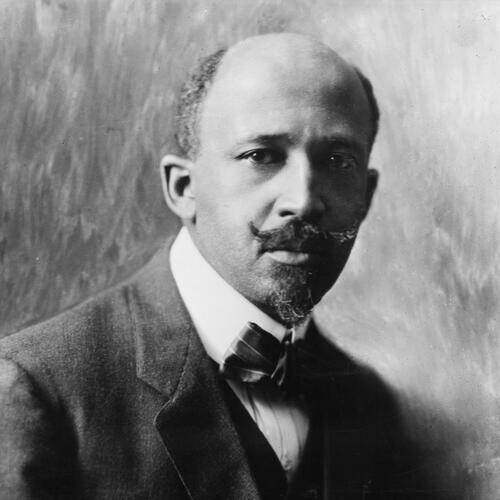
- Occupations
- journalistart historianhuman rights defenderphotographernovelist
- Biography
-
William Edward Burghardt Du Bois was an American sociologist, writer, historian, and Pan-Africanist civil rights activist.
-
Heinrich Heine
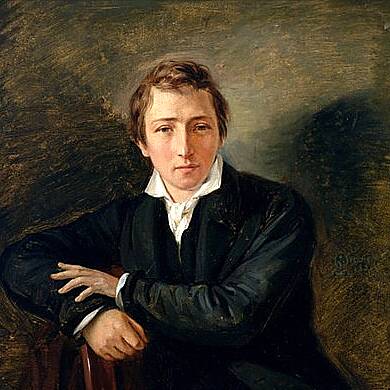
- Occupations
- opinion journalistmerchantjuristpublicistpoet
- Biography
-
Christian Johann Heinrich Heine was a German poet, writer and literary critic. He is best known outside Germany for his early lyric poetry, which was set to music in the form of Lieder (art songs) by composers such as Felix Mendelssohn, Robert Schumann and Franz Schubert.
-
Mihai Eminescu
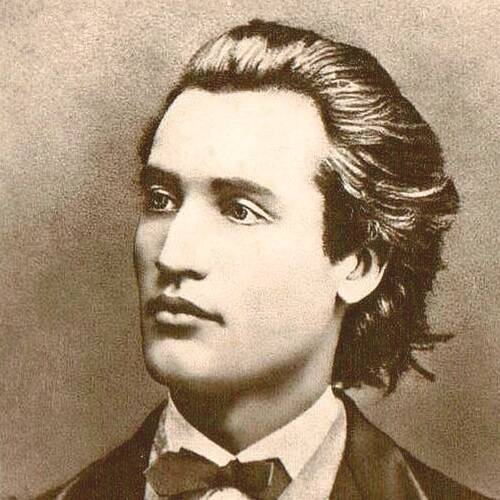
- Occupations
- journalistactorwriterprose writerpoet
- Biography
-
Mihai Eminescu was a Romanian Romantic poet, novelist, and journalist from Moldavia, generally regarded as the most famous and influential Romanian poet. Eminescu was an active member of the Junimea literary society and worked as an editor for the newspaper Timpul ("The Time"), the official newspaper of the Conservative Party (1880–1918). His poetry was first published when he was 16 and he went to Vienna, Austria to study when he was 19. The poet's manuscripts, containing 46 volumes and approximately 14,000 pages, were offered by Titu Maiorescu as a gift to the Romanian Academy during the meeting that was held on 25 January 1902. Notable works include Luceafărul, Odă în metru antic (Ode in Ancient Meter), and the five Letters (Epistles/Satires). In his poems, he frequently used metaphysical, mythological and historical subjects.
-
Walter Benjamin
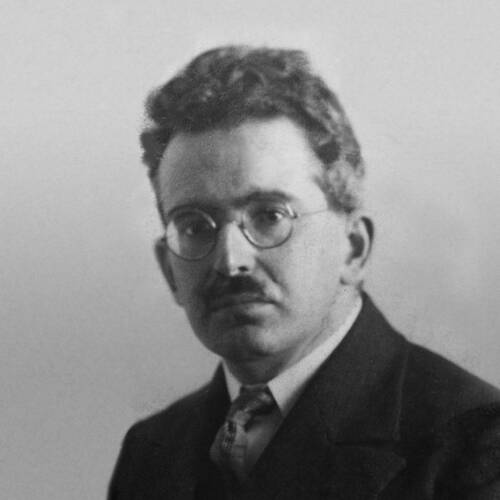
- Occupations
- literary historianliterary criticphilosopherwritertranslator
- Biography
-
Walter Bendix Schönflies Benjamin was a German philosopher, cultural critic, media theorist, and essayist. An eclectic thinker who combined elements of German idealism, Jewish mysticism, Western Marxism, and post-Kantianism, he made contributions to the philosophy of history, metaphysics, historical materialism, criticism, aesthetics and had an oblique but overwhelmingly influential impact on the resurrection of the Kabbalah by virtue of his life-long epistolary relationship with Gershom Scholem.
-
Fritz Haber
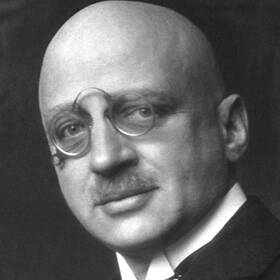
- Enrolled in the Humboldt University of Berlin
- Studied in 1886-1891
- Occupations
- engineerphysicistchemistuniversity teacher
- Biography
-
Fritz Jakob Haber was a German chemist who received the Nobel Prize in Chemistry in 1918 for his invention of the Haber process, a method used in industry to synthesize ammonia from nitrogen gas and hydrogen gas. This invention is important for the large-scale synthesis of fertilizers and explosives. It is estimated that a third of annual global food production uses ammonia from the Haber–Bosch process, and that this food supports nearly half the world's population. For this work, Haber has been called one of the most important scientists and industrial chemists in human history. Haber also, along with Max Born, proposed the Born–Haber cycle as a method for evaluating the lattice energy of an ionic solid.
-
Mikhail Bakunin
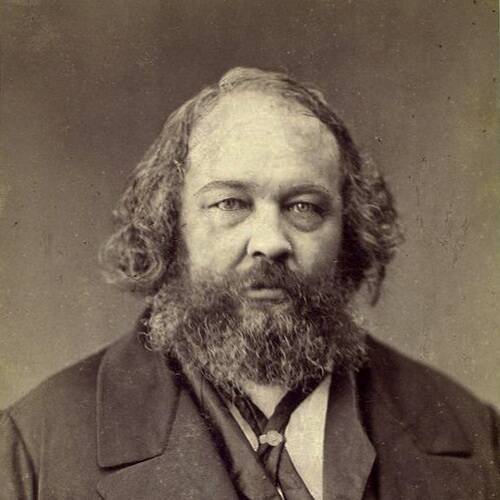
- Occupations
- revolutionarypoliticianwriterphilosopheranarchist
- Biography
-
Mikhail Alexandrovich Bakunin was a Russian revolutionary anarchist. He is among the most influential figures of anarchism and a major figure in the revolutionary socialist, social anarchist, and collectivist anarchist traditions. Bakunin's prestige as a revolutionary also made him one of the most famous ideologues in Europe, gaining substantial influence among radicals throughout Russia and Europe.
-
Ricarda Lang

- Enrolled in the Humboldt University of Berlin
- 2014-2019 studied jurisprudence
- Occupations
- politician
- Biography
-
Ricarda Lang is a German politician of the Alliance 90/The Greens who has been serving as a member of the Bundestag since 2021.
-
Michelle Bachelet
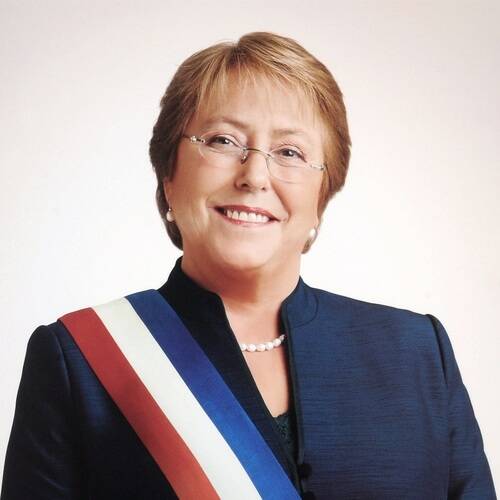
- Occupations
- epidemiologistpoliticianpediatriciansurgeon
- Biography
-
Verónica Michelle Bachelet Jeria is a Chilean politician who served as the 33rd and 35th president of Chile from 2006 to 2010 and from 2014 to 2018. She is the first and to date only woman to hold the presidency. She was re-elected in December 2013 with over 62% of the vote, having previously received 54% in 2006, making her the first president of Chile to be re-elected since 1932. After her second term, she served as United Nations High Commissioner for Human Rights from 2018 to 2022. Earlier in her career, she was appointed as the first executive director of the United Nations Entity for Gender Equality and the Empowerment of Women.
-
Emil Cioran
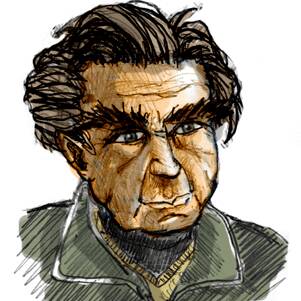
- Enrolled in the Humboldt University of Berlin
- Studied in 1933-1935
- Occupations
- diaristwriterphilosopheraphoristtranslator
- Biography
-
Emil Cioran was a Romanian philosopher, aphorist and essayist, who published works in both Romanian and French. His work has been noted for its pervasive philosophical pessimism, style, and aphorisms. His works frequently engaged with issues of suffering, decay, and nihilism. In 1937, Cioran moved to the Latin Quarter of Paris, which became his permanent residence, wherein he lived in seclusion with his partner, Simone Boué, until his death in 1995.
-
Edmund Husserl
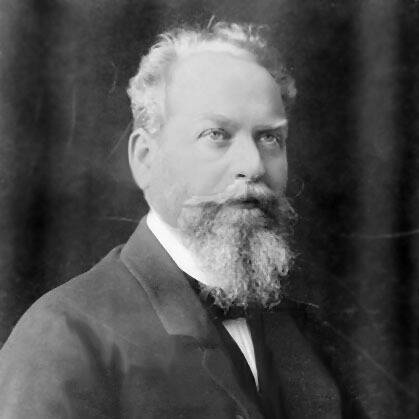
- Enrolled in the Humboldt University of Berlin
- 1878-1881 studied mathematics
- Occupations
- mathematicianphilosopheruniversity teacherphenomenologist
- Biography
-
Edmund Gustav Albrecht Husserl was an Austrian-German philosopher and mathematician who established the school of phenomenology.
-
Wilhelm Wundt
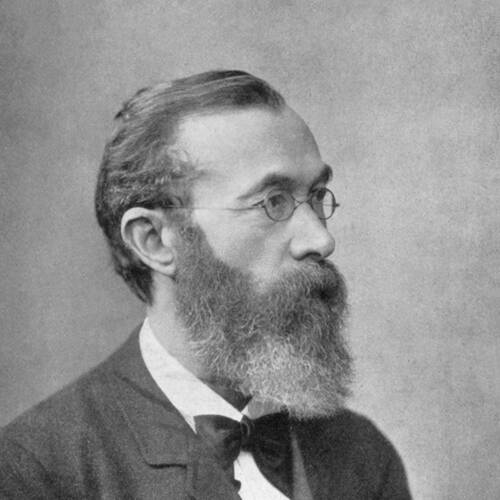
- Occupations
- university teacherwriterphilosopherpsychologistphysiologist
- Biography
-
Wilhelm Maximilian Wundt was a German physiologist, philosopher, professor, and one of the fathers of modern psychology. Wundt, who distinguished psychology as a science from philosophy and biology, was the first person to call himself a psychologist.
-
Dieter Hallervorden
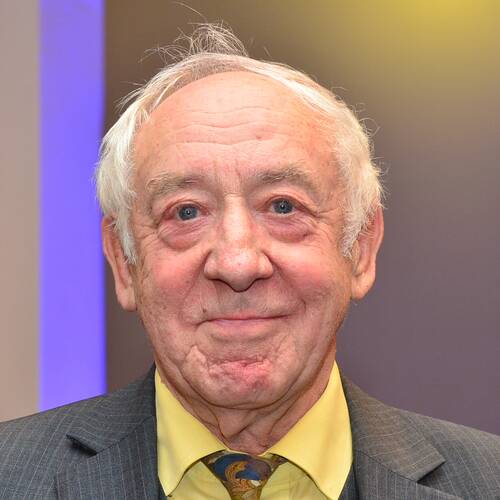
- Occupations
- voice actortelevision actorcabaret performerwriterfilm actor
- Biography
-
Dieter Hallervorden is a German actor, comedian, cabaret artist and singer. He achieved great popularity in German-speaking countries in the mid-1970s with the slapstick series Nonstop Nonsens and his character Didi.
-
Alfred Wegener
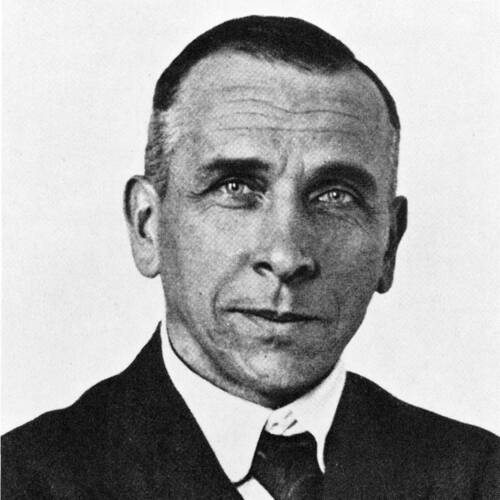
- Occupations
- physicistgeographergeologistpolar explorergeophysicist
- Biography
-
Alfred Lothar Wegener was a German climatologist, geologist, geophysicist, meteorologist, and polar researcher.
-
Palina Rojinski

- Occupations
- television presentermodeldisc jockeyactorfilm actor
- Biography
-
Palina Rojinski is a Russian-German television presenter and actress based in Germany.
-
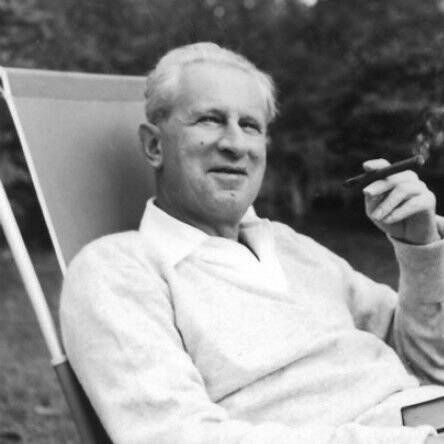
Herbert Marcuse
- Occupations
- university teacherphilosopherpolitical scientistsociologistpolitical theorist
- Biography
-
Herbert Marcuse was a German–American philosopher, social critic, and political theorist, associated with the Frankfurt School of critical theory. Born in Berlin, Marcuse studied at Berlin's Friedrich Wilhelm University of Berlin and then at the University of Freiburg, where he received his PhD. He was a prominent figure in the Frankfurt-based Institute for Social Research, which later became known as the Frankfurt School. In his written works, he criticized capitalism, modern technology, Soviet Communism, and popular culture, arguing that they represent new forms of social control.
-
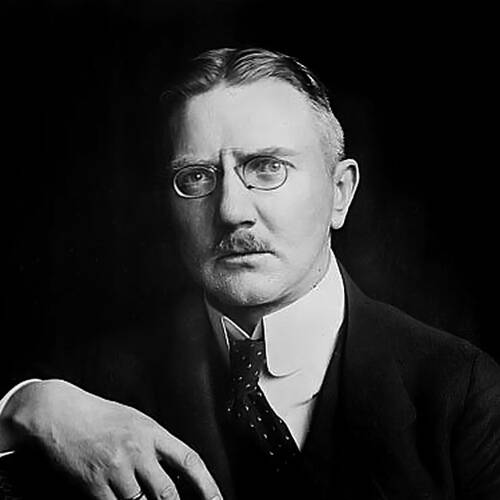
Hjalmar Schacht
- Occupations
- bankereconomistpolitician
- Biography
-
Horace Greeley Hjalmar Schacht was a German economist, banker, politician, and co-founder of the German Democratic Party. He served as the Currency Commissioner and President of the Reichsbank during the Weimar Republic. He was a fierce critic of his country's post-World War I reparations obligations. He was also central in helping create the group of German industrialists and landowners that pushed Hindenburg to appoint the first Nazi-led government.
-
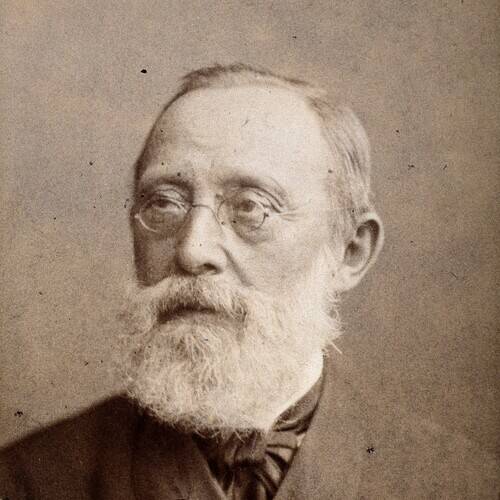
Rudolf Virchow
- Occupations
- paleoanthropologistuniversity teacherpathologistarchaeologistpolitician
- Biography
-
Rudolf Ludwig Carl Virchow was a German physician, anthropologist, pathologist, prehistorian, biologist, writer, editor, and politician. He is known as "the father of modern pathology" and as the founder of social medicine, and to his colleagues, the "Pope of medicine".
-
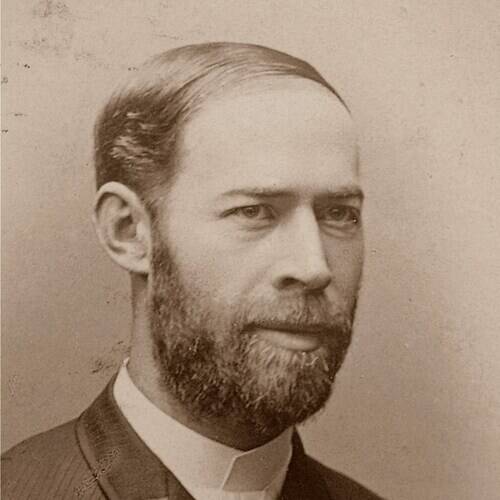
Heinrich Hertz
- Enrolled in the Humboldt University of Berlin
- Studied in 1878
- Occupations
- inventorphysicistphilosopheruniversity teacher
- Biography
-
Heinrich Rudolf Hertz was a German physicist who first conclusively proved the existence of the electromagnetic waves proposed by James Clerk Maxwell's equations of electromagnetism.
-
Oswald Spengler
- Occupations
- writerhistorianphilosophermathematiciansociologist
- Biography
-
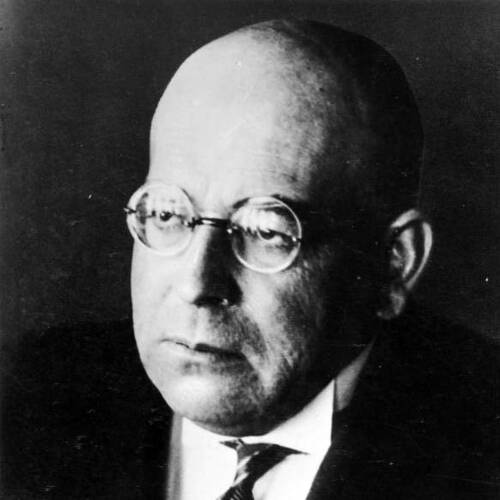
Oswald Arnold Gottfried Spengler was a German polymath whose areas of interest included history, philosophy, mathematics, science, and art, as well as their relation to his organic theory of history. He is best known for his two-volume work The Decline of the West (Der Untergang des Abendlandes), published in 1918 and 1922, covering human history. Spengler's model of history postulates that human cultures and civilizations are akin to biological entities, each with a limited, predictable, and deterministic lifespan. He predicted that Western civilization would enter the period of pre‑death emergency around the year 2000, which would lead to 200 years of Caesarism (extra-constitutional omnipotence of the executive branch of government) before Western civilization's final collapse.
-
Joachim Sauer
- Occupations
- university teacherchemist
- Biography
-
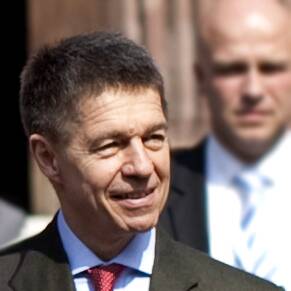
Joachim Sauer ForMemRS is a German quantum chemist and professor emeritus of physical and theoretical chemistry at the Humboldt University of Berlin. He is the husband of the former chancellor of Germany, Angela Merkel. He is one of the seven members of the board of trustees of the Friede Springer Foundation, formerly together with since deceased former German president Horst Köhler and others.
-
Max Stirner
- Enrolled in the Humboldt University of Berlin
- 1826-1828 studied logic, geography, and philosophy of religion
- In 1834 studied philosophy, German, ancient language, and religion
- Occupations
- gymnasial teachereducatorjournalistprofessor of philosophytranslator
- Biography
-
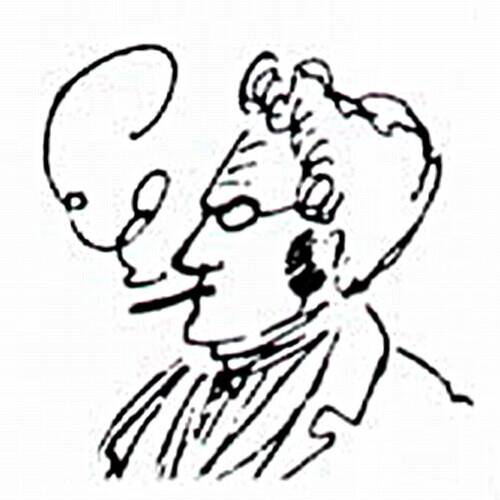
Max Stirner, born Johann Kaspar Schmidt, was a German philosopher, dealing mainly with the Hegelian notion of social alienation and self-consciousness. Stirner is often seen as one of the forerunners of nihilism, existentialism, psychoanalytic theory, postmodernism, individualist anarchism, and egoism.
-
Gustav Stresemann
- Occupations
- diplomatpolitician
- Biography
-
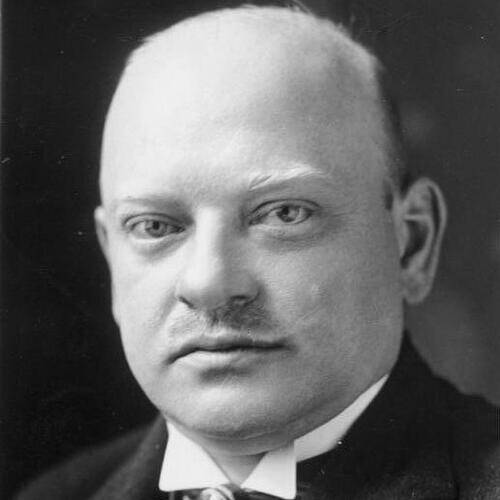
Gustav Ernst Stresemann was a German statesman during the Weimar Republic who served as chancellor of Germany from August to November 1923 and as foreign minister from 1923 to 1929. His most notable achievement was the reconciliation between Germany and France, for which he and French Prime Minister Aristide Briand received the Nobel Peace Prize in 1926. During a period of political instability and fragile, short-lived governments, Stresemann was seen at his death as "the person who maintained the precarious balance of the political system."
-
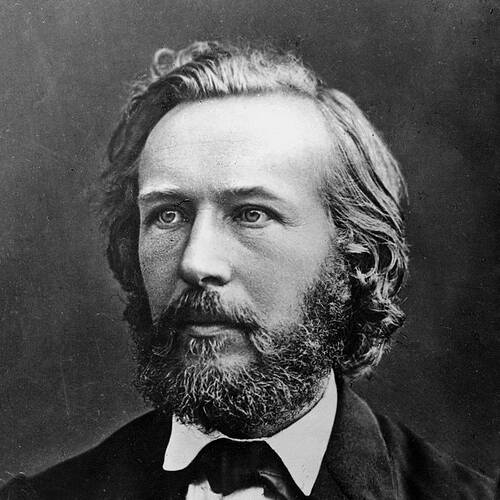
Ernst Haeckel
- Occupations
- ichthyologistnaturalistecologistornithologistphilosopher
- Biography
-
Ernst Heinrich Philipp August Haeckel was a German zoologist, naturalist, eugenicist, philosopher, physician, professor, marine biologist and artist. He discovered, described and named thousands of new species, mapped a genealogical tree relating all life forms and coined many terms in biology, including ecology, phylum, phylogeny, ontogeny, and Protista. Haeckel promoted and popularised Charles Darwin's work in Germany and developed the disproven but influential recapitulation theory ("ontogeny recapitulates phylogeny"), later generalizing it into the so called "Biogenetic Law". He wrongly claimed that an individual organism's biological development, or ontogeny, parallels and summarizes its species' evolutionary development, or phylogeny, using incorrectly drawn images of human embryonic development to derive the law. Whether they were intentionally falsified, or drawn poorly by accident is a matter of debate.
-
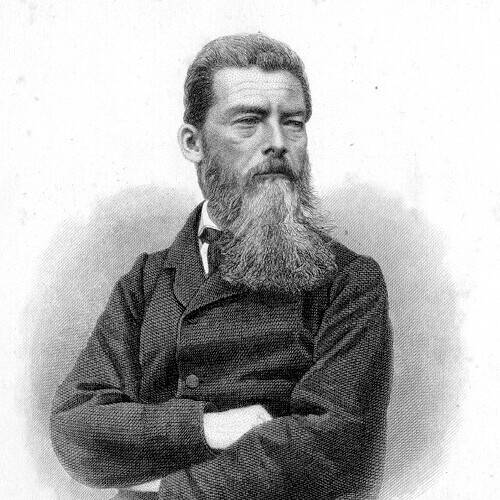
Ludwig Feuerbach
- Enrolled in the Humboldt University of Berlin
- 1824-1826 studied philosophy
- Occupations
- critic of religionsanthropologisttheologianuniversity teacherphilosopher
- Biography
-
Ludwig Andreas Feuerbach was a German philosopher and anthropologist who was a leading figure among the Young Hegelians. He is best known for his 1841 book, The Essence of Christianity, which argued that God is a projection of the essential attributes of humanity. His critique of religion formed the basis for his advocacy of atheism, materialism, and sensualism. In his later work, Feuerbach developed a more complex theory of religion arising from the human confrontation with nature. His thought served as a critical bridge between the philosophy of Georg Wilhelm Friedrich Hegel and that of Karl Marx.
-
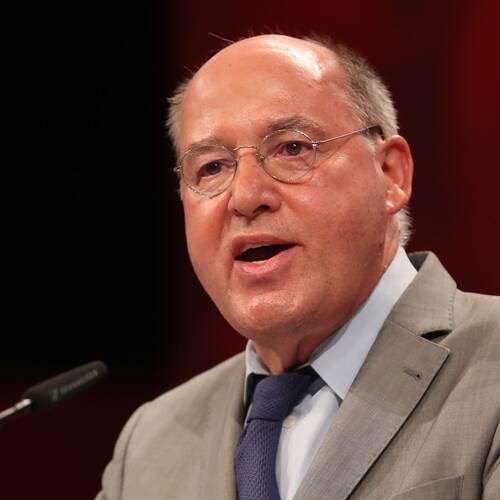
Gregor Gysi
- Enrolled in the Humboldt University of Berlin
- 1966-1970 graduated with Diplom-Jurist in jurisprudence
- Occupations
- politicianlawyerwriterjuristpresenter
- Biography
-
Gregor Florian Gysi is a German attorney, former president of the Party of the European Left and a prominent politician of The Left (Die Linke) political party.
-
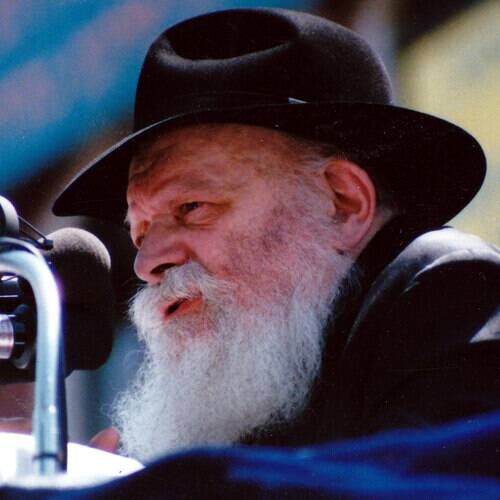
Menachem Mendel Schneerson
- Occupations
- Rebbe
- Biography
-
Rabbi Menachem Mendel Schneerson, known to adherents of the Chabad-Lubavitch movement as the Lubavitcher Rebbe or simply the Rebbe, was an Orthodox rabbi and the Rebbe of the Lubavitch Hasidic dynasty. He is considered one of the most influential Jewish leaders of the 20th century.
-
George Santayana
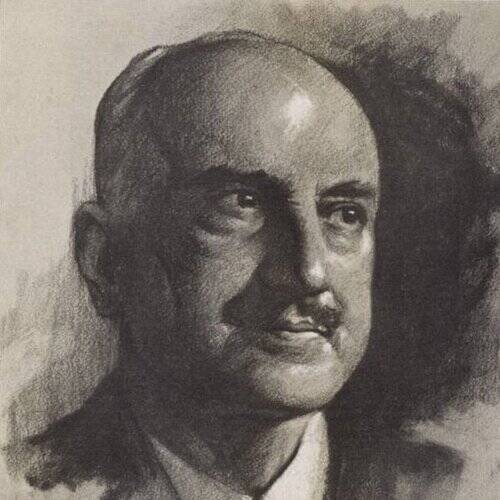
- Occupations
- poetwriteruniversity teachernovelistessayist
- Biography
-
George Santayana was a Spanish philosopher, essayist, poet, and novelist. Born in Spain, he moved to the United States at the age of eight.
-
Robert Schuman
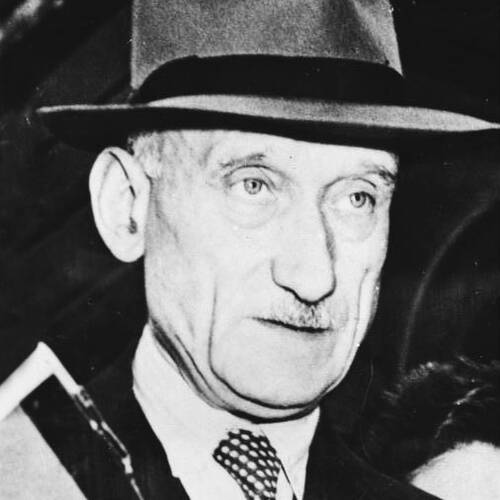
- Occupations
- diplomatlawyerpolitician
- Biography
-
Jean-Baptiste Nicolas Robert Schuman was a Luxembourg-born French statesman. Schuman was a Christian democratic (Popular Republican Movement) political thinker and activist. Twice Prime Minister of France, a reformist Minister of Finance and a Foreign Minister, he was instrumental in building postwar European and trans-Atlantic institutions and was one of the founders of the European Communities, the Council of Europe and NATO. The 1964–1965 academic year at the College of Europe was named in his honour. In 2021, Schuman was declared venerable by Pope Francis in recognition of his acting on Christian principles.
-
Otto Hahn
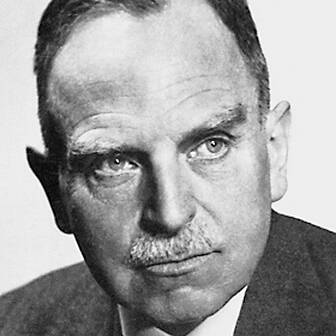
- Occupations
- university teacherautobiographernon-fiction writernuclear physicistchemist
- Biography
-
Otto Hahn was a German chemist who was a pioneer in the field of radiochemistry. He is referred to as the father of nuclear chemistry and discoverer of nuclear fission, the science behind nuclear reactors and nuclear weapons. Hahn and Lise Meitner discovered isotopes of the radioactive elements radium, thorium, protactinium and uranium. He also discovered the phenomena of atomic recoil and nuclear isomerism, and pioneered rubidium–strontium dating. In 1938, Hahn, Meitner and Fritz Strassmann discovered nuclear fission, for which Hahn alone was awarded the 1944 Nobel Prize in Chemistry.
-
Emil von Behring
- Occupations
- immunologistnon-fiction writeruniversity teacherbacteriologistphysiologist
- Biography
-
Emil von Behring, was a German physiologist. In 1901, he received the first Nobel Prize in Physiology or Medicine "for his work on serum therapy, especially its application against diphtheria, by which he has opened a new road in the domain of medical science and thereby placed in the hands of the physician a victorious weapon against illness and deaths". He was widely known as a "saviour of children", as diphtheria used to be a major cause of child death. His work with the disease, as well as tetanus, has come to bring him most of his fame and acknowledgment. He was honoured with Prussian nobility in 1901, henceforth being known by the surname "von Behring".
-
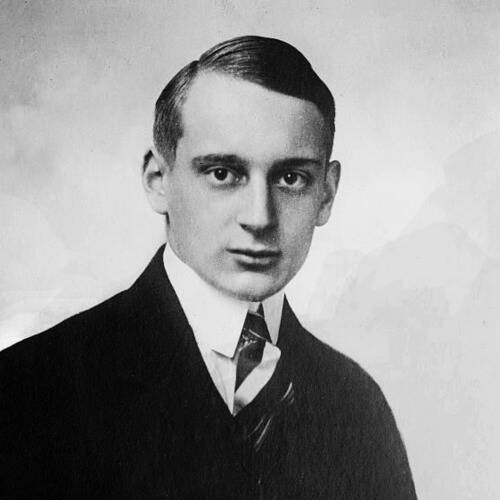
Louis Ferdinand, Prince of Prussia
- Occupations
- writercomposerpolitician
- Biography
-
Louis Ferdinand, Prince of Prussia was a grandson of Kaiser Wilhelm II and member of the House of Hohenzollern, which occupied the Prussian and German thrones until the abolition of those monarchies in 1918. He was also noteworthy as a businessman and patron of the arts.
-
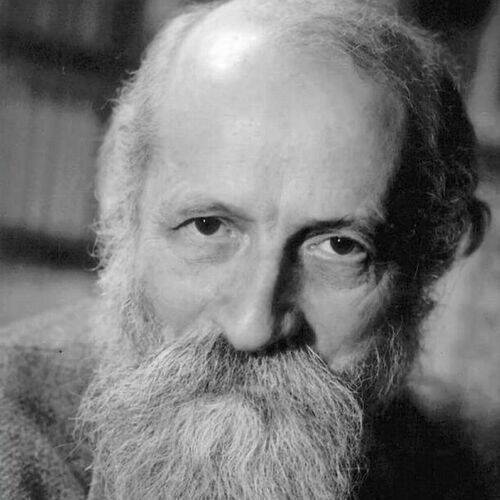
Martin Buber
- Occupations
- university teachertheologianliterary editoreducatorpedagogue
- Biography
-
Martin Buber was an Austrian-Israeli philosopher best known for his philosophy of dialogue, a form of existentialism centered on the distinction between the I–Thou relationship and the I–It relationship. Born in Vienna, Buber came from a family of observant Jews, but broke with Jewish custom to pursue secular studies in philosophy. He produced writings about Zionism and worked with various bodies within the Zionist movement extensively over a nearly 50-year period spanning his time in Europe and the Near East. In 1923, Buber wrote his famous essay on existence, Ich und Du (later translated into English as I and Thou), and in 1925 he began translating the Hebrew Bible into the German language.
-
Jannik Schümann

- Enrolled in the Humboldt University of Berlin
- Studied English studies and media studies
- Occupations
- actortelevision actorfilm actorchild actorvoice actor
- Biography
-
Jannik Schümann is a German actor. He received three Jupiter Awards for Best Actor, for his role of Danny in Close to the Horizon (2020), 9 Days Awake (2021), and the role of Franz Joseph I in Sisi (2022). He is also known for his role in The Aftermath (2019), Center of My World (2016), Die Diplomatin (2016–2023), Monster Hunter (2020), Tribes of Europa (2021), or Charité at War (2019).
-
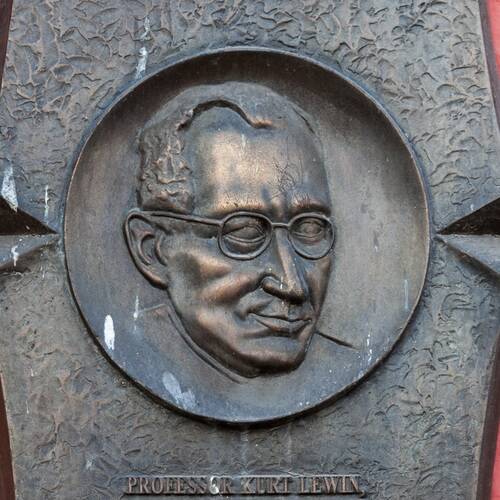
Kurt Zadek Lewin
- Occupations
- university teachereconomistpsychologist
- Biography
-
Kurt Zadek Lewin or Kurt Tsadek Lewin was a German-American psychologist, known as one of the modern pioneers of social, organizational, and applied psychology in the United States. During his professional career, Lewin's academic research and writings focuses on applied research, action research, and group communication.
-
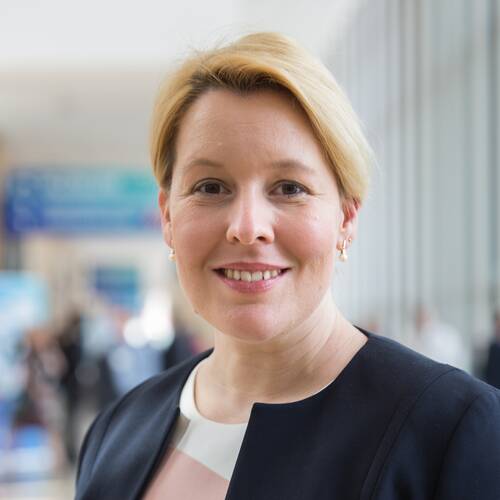
Franziska Giffey
- Occupations
- social scientistpoliticiannon-fiction writer
- Biography
-
Franziska Giffey is a German politician of the Social Democratic Party (SPD) who is serving as Berlin State Senator for Economy, Energy and Enterprise since 2023. She served as Governing Mayor of Berlin from December 2021 to April 2023. As of 2025, she is the youngest living (sitting or former) head of a german state government. She previously served as Minister for Family Affairs, Senior Citizens, Women and Youth in the government of Chancellor Angela Merkel from 2018 until 2021. From 2015 to 2018, she was the mayor of the borough of Neukölln in Berlin.
-
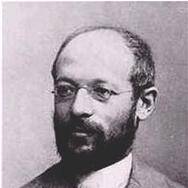
Georg Simmel
- Occupations
- university teacherphilosophersociologist
- Biography
-
Georg Simmel was a German sociologist, philosopher, and critic. A founding figure of sociology, his neo-Kantian approach helped establish sociological antipositivism, asking "What is society?" in analogy to Kant's "What is nature?". He pioneered analyses of individuality and social fragmentation.
-
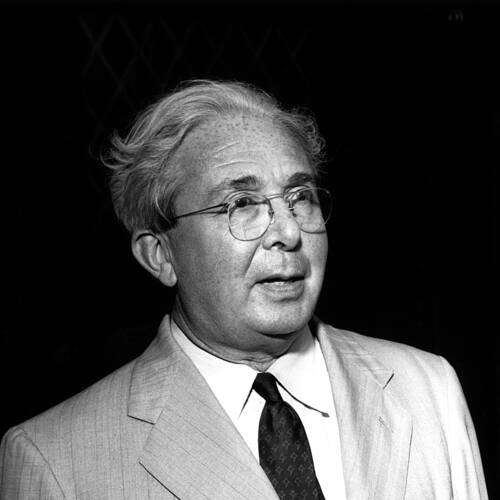
Leó Szilárd
- Enrolled in the Humboldt University of Berlin
- In 1922 graduated with Doctor of Philosophy in physics
- Occupations
- scientistscience fiction writerphysicistuniversity teachermolecular biologist
- Biography
-
Leo Szilard was a Hungarian-born American physicist, biologist and inventor who made numerous important discoveries in nuclear physics and the biological sciences. He conceived the nuclear chain reaction in 1933, and patented the idea in 1936. In late 1939 he wrote the letter for Albert Einstein's signature that resulted in the Manhattan Project that built the atomic bomb, and then in 1945 wrote the Szilard petition asking president Harry S. Truman to demonstrate the bomb without dropping it on civilians. According to György Marx, he was one of the Hungarian scientists known as The Martians.
-
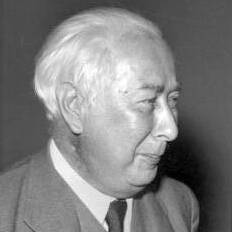
Theodor Heuss
- Occupations
- writerjournalistuniversity teacherpolitician
- Biography
-
Theodor Heuss was a German liberal politician who served as the first president of West Germany from 1949 to 1959. His civil demeanour and his cordial nature – something of a contrast to German nationalist traditions and the stern character of chancellor Konrad Adenauer – largely contributed to the stabilization of democracy in West Germany during the Wirtschaftswunder years. Before beginning his career as a politician, Heuss had been a political journalist. To this day, Heuss is remembered as a major representative of social liberalism in Germany.
-
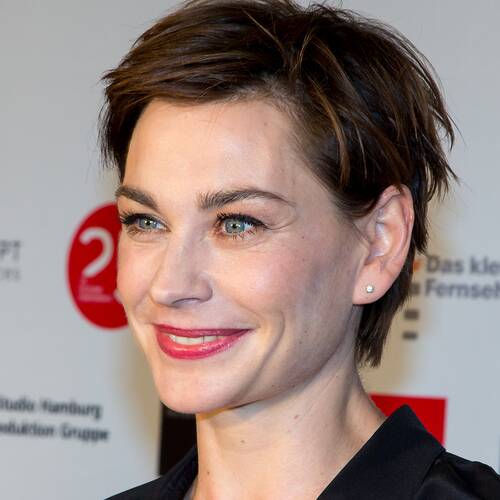
Christiane Paul
- Occupations
- modelstage actoractorfilm actor
- Biography
-
Christiane Paul is a German film, television and stage actress.
-
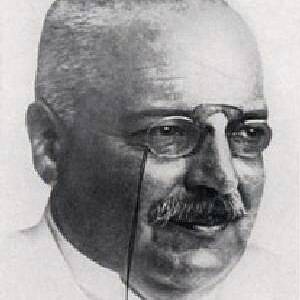
Alois Alzheimer
- Occupations
- university teacherpsychiatristneuropathologistneurologistneuroscientist
- Biography
-
Alois Alzheimer was a German psychiatrist, neuropathologist and colleague of Emil Kraepelin. He is credited with identifying the first published case of "presenile dementia", which Kraepelin later identified as Alzheimer's disease.
-
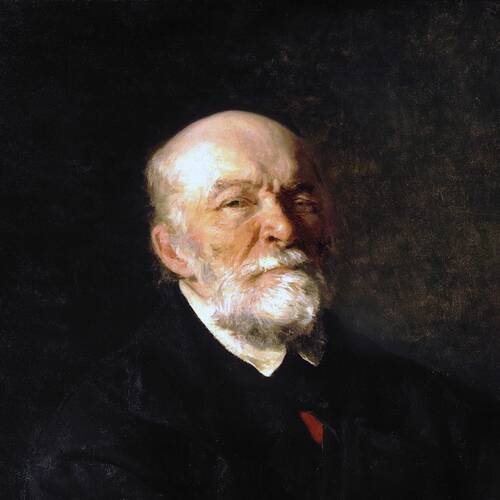
Nikolai Pirogov
- Enrolled in the Humboldt University of Berlin
- Studied in 1833
- Occupations
- physicianscientistanatomistsurgeon
- Biography
-
Nikolay Ivanovich Pirogov was a Russian scientist, medical doctor, pedagogue, public figure, and corresponding member of the Russian Academy of Sciences (1847), one of the most widely recognized Russian physicians. Considered to be the founder of field surgery, he was the first surgeon to use anaesthesia in a field operation (1847) and one of the first surgeons in Europe to use ether as an anaesthetic. He is credited with the invention of various kinds of surgical operations and developing his own technique of using plaster casts to treat fractured bones.
-
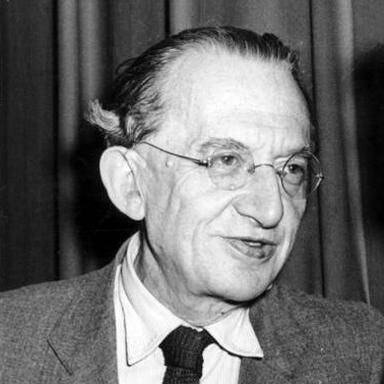
Georg Lukács
- Enrolled in the Humboldt University of Berlin
- Studied in 1907
- Occupations
- politicianwriterart historianliterary historianliterary scholar
- Biography
-
György Lukács was a Hungarian Marxist philosopher, literary historian, literary critic, and aesthetician. He was one of the founders of Western Marxism, an interpretive tradition that departed from the Soviet Marxist ideological orthodoxy. He developed the theory of reification, and contributed to Marxist theory with developments of Karl Marx's theory of class consciousness. He was also a philosopher of Leninism. He ideologically developed and organised Vladimir Lenin's pragmatic revolutionary practices into the formal philosophy of vanguard-party revolution.
-
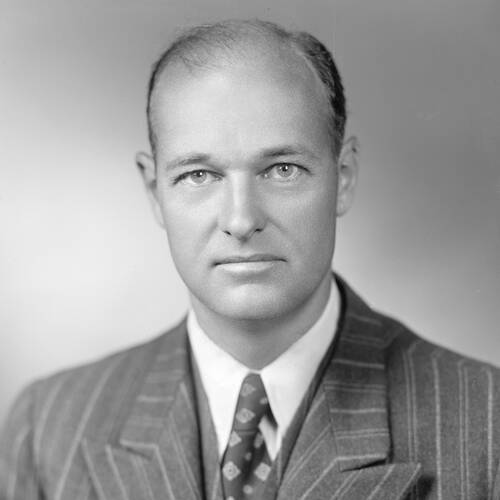
George F. Kennan
- Occupations
- historianuniversity teachergeopolitical analystdiplomatpolitical scientist
- Biography
-
George Frost Kennan was an American diplomat and historian. He was best known as an advocate of a policy of containment of Soviet expansion during the Cold War. He lectured widely and wrote scholarly histories of the relations between the USSR and the United States. He was also one of the group of foreign policy elders known as "The Wise Men".
-
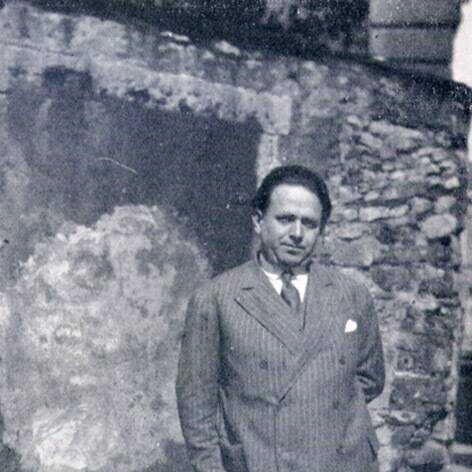
Kurt Tucholsky
- Occupations
- journalistpoet lawyeropinion journalistplaywrightcritic
- Biography
-
Kurt Tucholsky was a German journalist, satirist, and writer. He also wrote under the pseudonyms Kaspar Hauser (after the historical figure), Peter Panter, Theobald Tiger and Ignaz Wrobel.
-
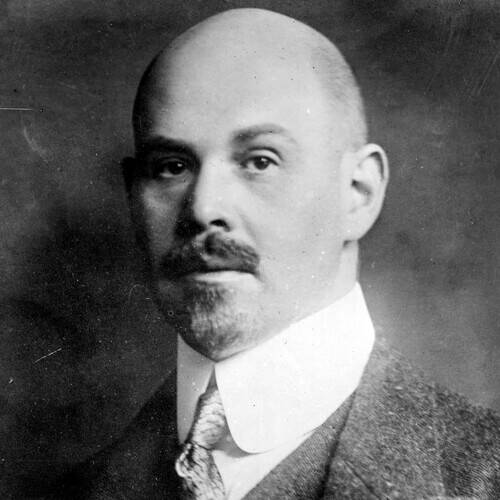
Walther Rathenau
- Occupations
- science fiction writerwriterentrepreneurart collectorengineer
- Biography
-
Walther Rathenau was a German industrialist, writer and politician who served as foreign minister of Germany from February 1922 until his assassination in June 1922.
-
Felix Jaehn

- Enrolled in the Humboldt University of Berlin
- Studied business economics
- Occupations
- manufacturerdisc jockeyrecord producerremixermusician
- Biography
-
Fee Jähn, known professionally as Felix Jaehn, is a German DJ and record producer. Jaehn achieved international success with their remix of OMI's song "Cheerleader", which topped the charts in multiple countries and reached number-one on the Billboard Hot 100 in 2015.
-
Robert Musil
- Enrolled in the Humboldt University of Berlin
- 1903-1908 studied philosophy and psychology
- Occupations
- playwrightwriterprose writerengineernovelist
- Biography
-
Robert Musil was an Austrian philosophical writer. His unfinished novel, The Man Without Qualities (German: Der Mann ohne Eigenschaften), is generally considered to be one of the most important and influential modernist novels.
-
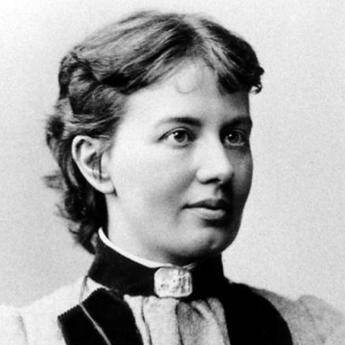
Sofia Kovalevskaya
- Occupations
- writercommunarduniversity teachernovelistmathematician
- Biography
-
Sofya Vasilyevna Kovalevskaya was a Russian mathematician who made noteworthy contributions to analysis, partial differential equations and mechanics. She was a pioneer of equality for women in mathematics. Kovalevskaya was the first woman to earn a doctorate in mathematics, in the modern sense of that term, the first woman in Europe in modern times appointed to a full professorship in mathematics, as well as one of the first women to work for a scientific journal as an editor. According to historian of science Ann Hibner Koblitz, Kovalevskaya was "the greatest known woman scientist before the twentieth century".
-
Wolf Biermann
- Occupations
- composerpoetdissidentwritersinger-songwriter
- Biography
-
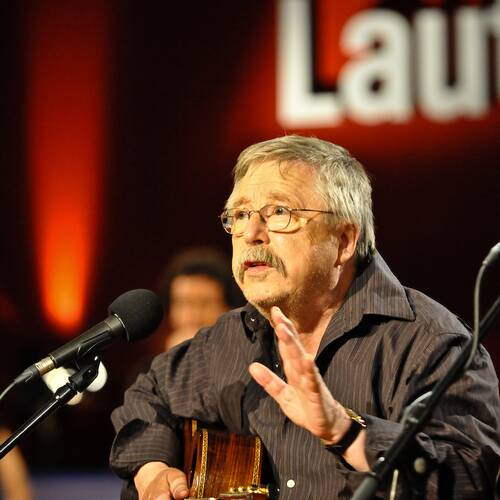
Karl Wolf Biermann is a German singer-songwriter, poet, and former East German dissident. He is perhaps best known for the 1968 song "Ermutigung" and his expatriation from East Germany in 1976.
-
Hendrik Frensch Verwoerd
- Occupations
- university teacherpolitician
- Biography
-
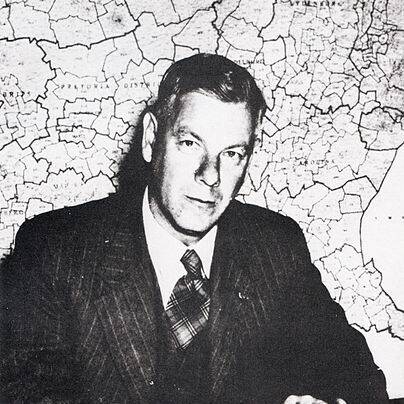
Hendrik Frensch Verwoerd, also known as H. F. Verwoerd, was a Dutch-born South African politician, academic, and newspaper editor who served as Prime Minister of South Africa from 1958 until his assassination in 1966.
-
Theodor Schwann
- Occupations
- university teacherbiologistphysiologistphysicianbotanist
- Biography
-
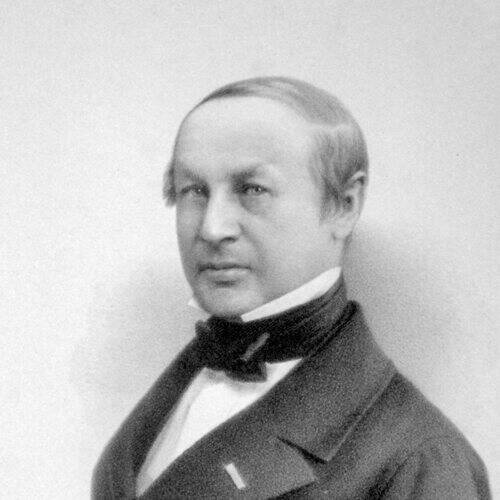
Theodor Schwann was a German physician and physiologist. His most significant contribution to biology is considered to be the extension of cell theory to animals. Other contributions include the discovery of Schwann cells in the peripheral nervous system, the discovery and study of pepsin, the discovery of the organic nature of yeast, and the invention of the term "metabolism".
-
Max Scheler
- Occupations
- university teacherphilosopheraxiologistanthropologistsociologist
- Biography
-
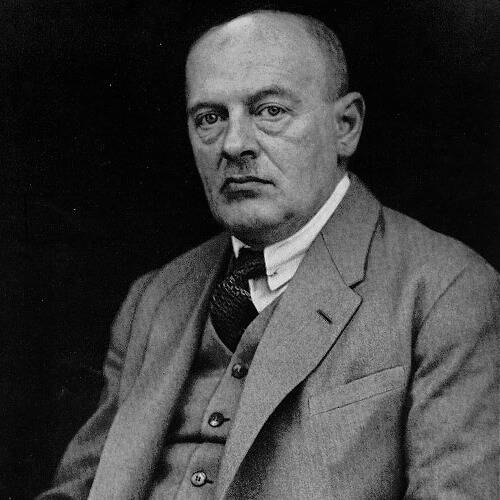
Max Ferdinand Scheler was a German philosopher known for his work in phenomenology, ethics, and philosophical anthropology. Considered in his lifetime one of the most prominent German philosophers, Scheler developed the philosophical method of Edmund Husserl, the founder of phenomenology.
-
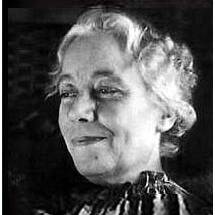
Karen Horney
- Occupations
- writerpsychiatristpsychotherapistpsychoanalyst
- Biography
-
Karen Horney was a German psychoanalyst who practiced in the United States during her later career. Her theories questioned some traditional Freudian views, specifically in theories of sexuality and of the instinct orientation of psychoanalysis. Horney is also credited with founding feminist psychology in response to Freud's theory of penis envy. She disagreed with Freud about inherent differences in the psychology of men and women, and like Adler, she traced such differences to society and culture rather than biology.
-
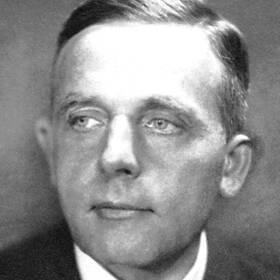
Otto Heinrich Warburg
- Occupations
- university teacherchemistphysiologistbiochemistphysician
- Biography
-
Otto Heinrich Warburg was a German physiologist, medical doctor, and Nobel laureate. He served as an officer in the elite Uhlan (cavalry regiment) during the First World War, and was awarded the Iron Cross (1st Class) for bravery. He was the sole recipient of the Nobel Prize in Physiology or Medicine in 1931. In total, he was nominated for the award 47 times over the course of his career.
-
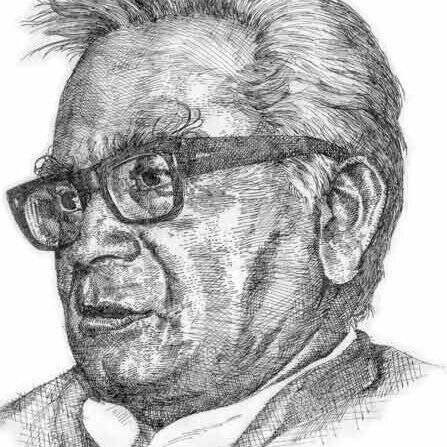
Ram Manohar Lohia
- Occupations
- economistfreedom fighterpolitician
- Biography
-
Ram Manohar Lohia was an Indian political activist of the Indian independence movement and a socialist politician. As a nationalist, he worked actively to protest against colonialism, raising awareness of the same. He founded multiple socialist political parties and later won elections to the Lok Sabha.
-
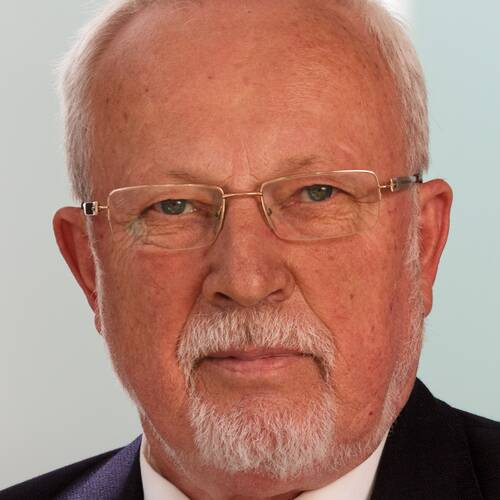
Lothar de Maizière
- Occupations
- lawyerpoliticianmusician
- Biography
-
Lothar de Maizière is a German former politician of the Christian Democratic Union. In 1990, he served as the head of the first and only democratically elected government of East Germany, holding this office during the final months before German reunification. Subsequently he briefly served as a minister in the new government of the unified Federal Republic of Germany until his past as a Stasi informant was revealed.
-
Paul Tillich
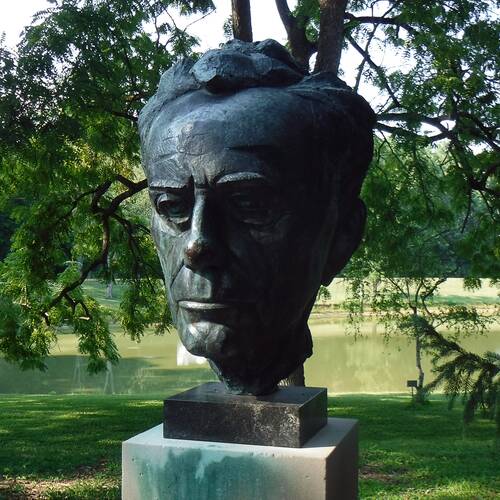
- Occupations
- university teachertheologianphilosopher
- Biography
-
Paul Johannes Tillich was a German and American Christian existentialist philosopher, religious socialist, and Lutheran theologian who was one of the most influential theologians of the twentieth century. Tillich taught at German universities before immigrating to the United States in 1933, where he taught at Union Theological Seminary, Harvard University, and the University of Chicago.
-
Wilhelm Dilthey
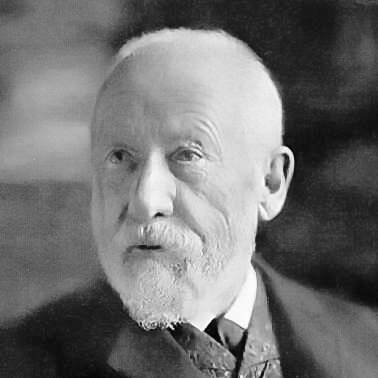
- Occupations
- sociologistpsychologistuniversity teacherhistoriantheologian
- Biography
-
Wilhelm Dilthey was a German historian, psychologist, sociologist, and hermeneutic philosopher, who held Georg Wilhelm Friedrich Hegel's Chair in Philosophy at the University of Berlin. As a polymathic philosopher, working in a modern research university, Dilthey's research interests revolved around questions of scientific methodology, historical evidence and history's status as a science.
-
Lion Feuchtwanger
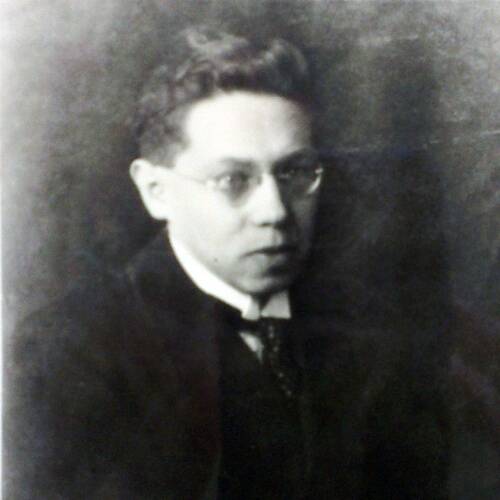
- Occupations
- playwrightliterary criticwritertranslatortheatre critic
- Biography
-
Lion Feuchtwanger was a German Jewish novelist and playwright. A prominent figure in the literary world of Weimar Germany, he influenced contemporaries including playwright Bertolt Brecht.
-
Ferdinand Lassalle
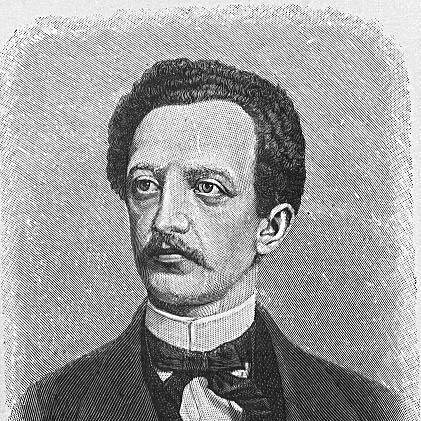
- Occupations
- politicianlawyerwriterphilosophereconomist
- Biography
-
Ferdinand Johann Gottlieb Lassalle was a German jurist, philosopher, and socialist activist. Best remembered as an initiator of the social democratic movement in Germany, in 1863 he founded the General German Workers' Association (ADAV), the first independent German workers' party. His political theories, a form of state socialism, are known as Lassalleanism.
-
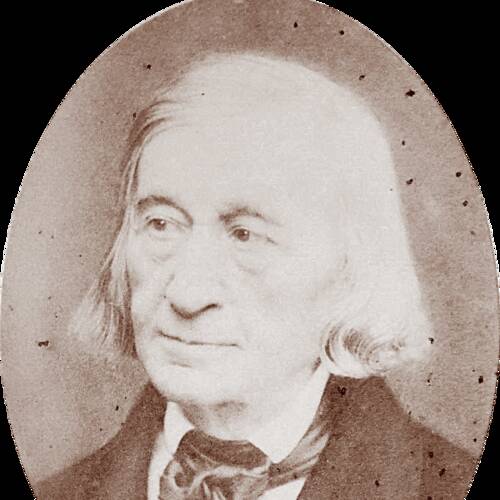
Wilhelm Grimm
- Occupations
- germanistliterary scholarlinguistpedagogueuniversity teacher
- Biography
-
Wilhelm Carl Grimm was a German author, philologist and anthropologist. He was the younger brother of Jacob Grimm, of the literary duo the Brothers Grimm.
-
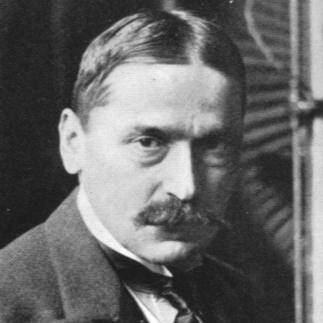
Mihajlo Pupin
- Occupations
- university teacherphysicistmathematicianinventorchemist
- Biography
-
Mihajlo Idvorski Pupin, also known as Michael Pupin, was a Serbian-American electrical engineer, physicist and inventor.
-
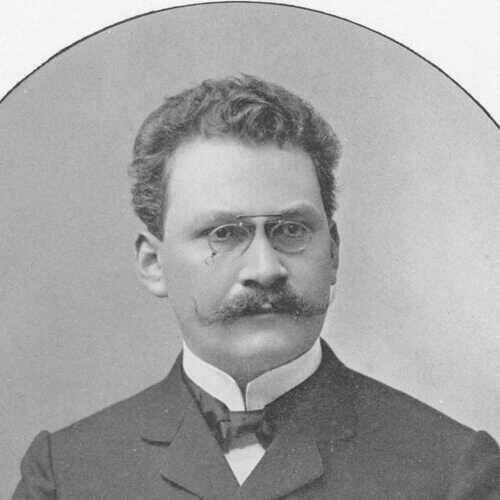
Hermann Minkowski
- Occupations
- university teachermathematicianphysicist
- Biography
-
Hermann Minkowski was a mathematician and professor at the University of Königsberg, ETH Zürich, and the University of Göttingen, described variously as German, Polish, Lithuanian-German, or Russian. He created and developed the geometry of numbers and elements of convex geometry, and used geometrical methods to solve problems in number theory, mathematical physics, and the theory of relativity.
-
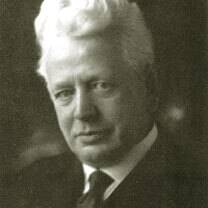
Ernst Cassirer
- Occupations
- university teacherphilosopherart historian
- Biography
-
Ernst Alfred Cassirer was a German philosopher and historian of philosophy. Trained within the Neo-Kantian Marburg School, he initially followed his mentor Hermann Cohen in attempting to supply an idealistic philosophy of science.
-
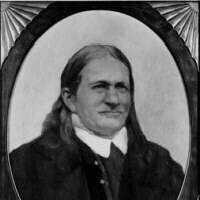
Friedlieb Ferdinand Runge
- Occupations
- university teacherchemist
- Biography
-
Friedlieb Ferdinand Runge was a German analytical chemist. Runge identified the mydriatic (pupil dilating) effects of belladonna (deadly nightshade) extract, identified caffeine, and discovered the first coal tar dye (aniline blue).
-
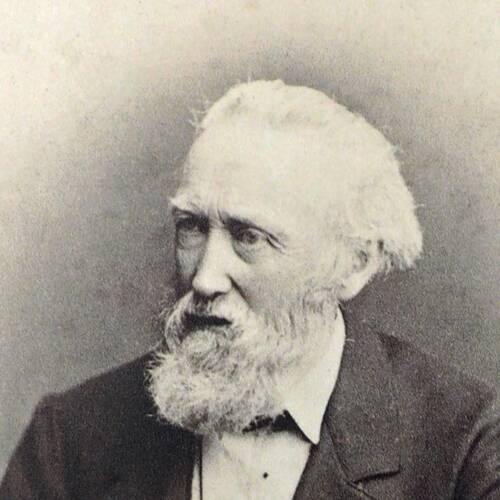
Theodor Storm
- Enrolled in the Humboldt University of Berlin
- Studied in 1838
- Occupations
- writernovelistpoetlawyer
- Biography
-
Hans Theodor Woldsen Storm, commonly known as Theodor Storm, was a German-Frisian writer and poet. He is considered to be one of the most important figures of German realism.
-
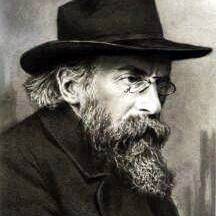
Kurt Eisner
- Occupations
- head of governmentwriterministerforeign ministerpolitician
- Biography
-
Kurt Eisner was a German politician, revolutionary, journalist, and theatre critic. As a socialist journalist, he organized the socialist revolution that overthrew the Wittelsbach monarchy in Bavaria in November 1918, which led to him being described as "the symbol of the Bavarian revolution". Eisner subsequently proclaimed the People's State of Bavaria but was assassinated by far-right Bavarian nationalist Anton Graf von Arco auf Valley in Munich on 21 February 1919.
-
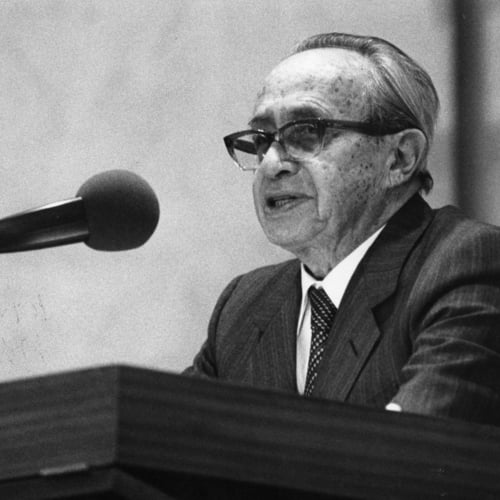
Hans Jonas
- Occupations
- university teacherphilosopherenvironmentalist
- Biography
-
Hans Jonas was a German and American philosopher. From 1955 to 1976 he was the Alvin Johnson Professor of Philosophy at the New School for Social Research in New York City.
-
Nicolae Iorga
- Occupations
- linguistplaywrightliterary critictranslatororientalist
- Biography
-
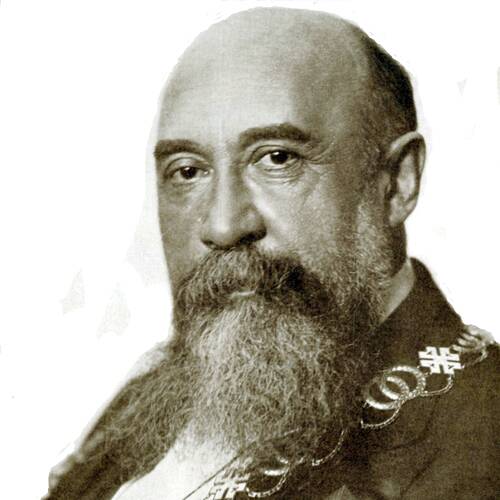
Nicolae Iorga was a Romanian historian, politician, literary critic, memoirist, albanologist, poet and playwright. Co-founder (in 1910) of the Democratic Nationalist Party (PND), he served as a member of Parliament, President of the Deputies' Assembly and Senate, cabinet minister and briefly (1931–32) as Prime Minister. A child prodigy, polymath and polyglot, Iorga produced an unusually large body of scholarly works, establishing his international reputation as a medievalist, Byzantinist, Latinist, Slavist, art historian and philosopher of history. Holding teaching positions at the University of Bucharest, the University of Paris and several other academic institutions, Iorga was founder of the International Congress of Byzantine Studies and the Institute of South-East European Studies (ISSEE). His activity also included the transformation of Vălenii de Munte town into a cultural and academic center.
-
Hans Modrow
- Occupations
- politicianeconomist
- Biography
-
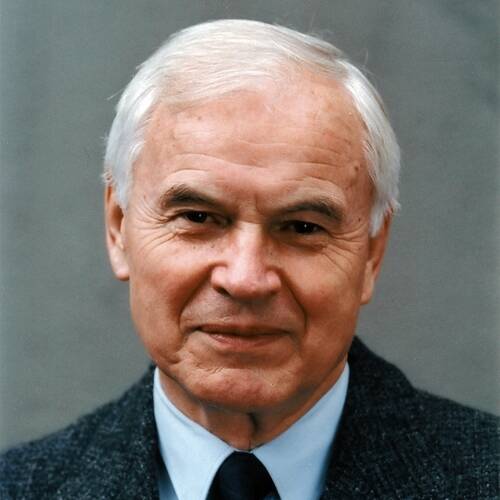
Hans Modrow was a German politician best known as the last communist premier of East Germany.
-
Zakir Husain
- Occupations
- politician
- Biography
-
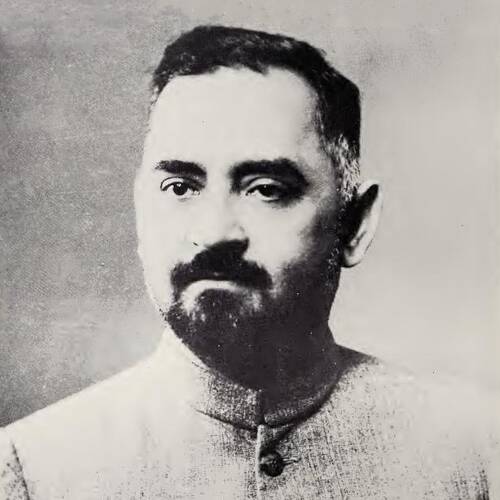
Zakir Husain Khan was an Indian educationist and politician who served as the vice president of India from 1962 to 1967 and president of India from 13 May 1967 until his death on 3 May 1969.
-
Walter Hallstein
- Occupations
- juristdiplomatuniversity teacherpolitician
- Biography
-
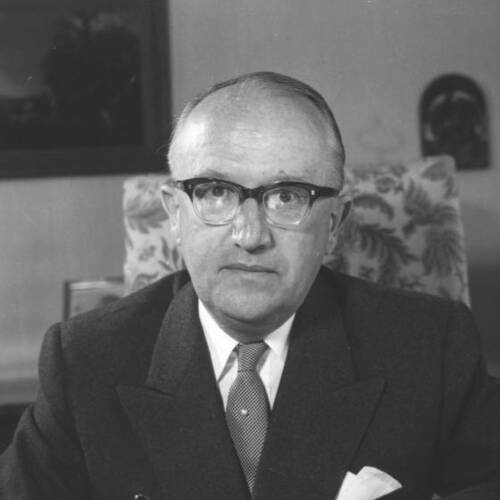
Walter Hallstein was a German academic, diplomat and statesman who was the first president of the Commission of the European Economic Community and one of the founding fathers of the European Union.
-
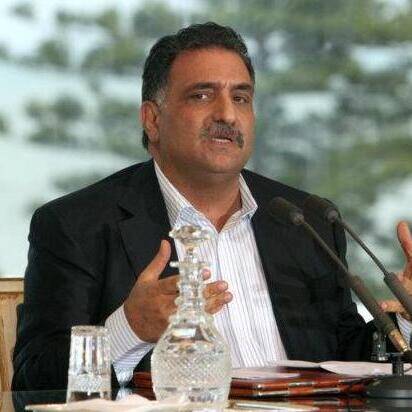
Azmi Bishara
- Occupations
- novelistuniversity teacherpoliticianwriterphilosopher
- Biography
-
Azmi Bishara is an Arab-Israeli public intellectual, political philosopher and author. He is presently the General Director of the Arab Center for Research and Policy Studies and the Chair of the Board of Trustees of the Doha Institute for Graduate Studies.
-
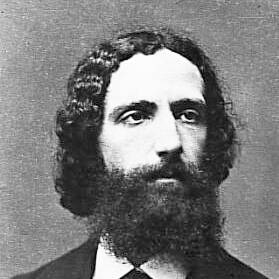
Franz Brentano
- Occupations
- university teacherphilosopherpsychologist
- Biography
-
Franz Clemens Honoratus Hermann Josef Brentano was a German philosopher and psychologist. His 1874 Psychology from an Empirical Standpoint, considered his magnum opus, is credited with having reintroduced the medieval scholastic concept of intentionality into contemporary philosophy.
-
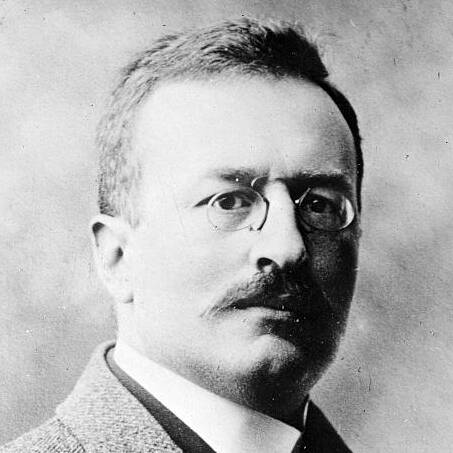
Sven Hedin
- Occupations
- naturalistgeopolitical analystscientific explorernon-fiction writerbotanical collector
- Biography
-
Sven Anders Hedin, KNO1kl RVO, was a Swedish geographer, topographer, explorer, photographer, travel writer and illustrator of his own works. During four expeditions to Central Asia, he made the Transhimalaya known in the West and located sources of the Brahmaputra, Indus and Sutlej Rivers. He also mapped lake Lop Nur, and the remains of cities, grave sites and the Great Wall of China in the deserts of the Tarim Basin. In his book Från pol till pol (From Pole to Pole), Hedin describes a journey through Asia and Europe between the late 1880s and the early 1900s. While traveling, Hedin visited Turkey, the Caucasus, Tehran, Iraq, lands of the Kyrgyz people and the Russian Far East, India, China and Japan. The posthumous publication of his Central Asia Atlas marked the conclusion of his life's work.
-
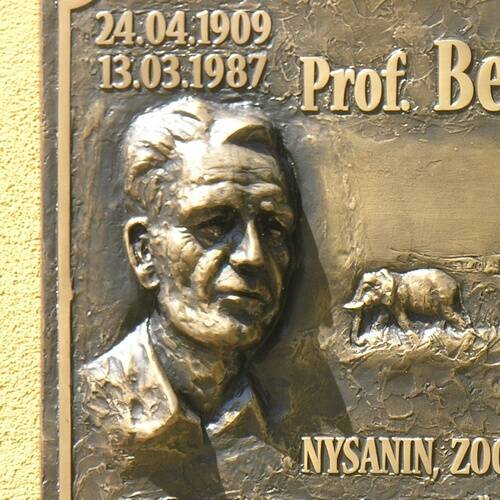
Bernhard Grzimek
- Occupations
- writerzoologistveterinarianphotographerfilm director
- Biography
-
Bernhard Klemens Maria Hoffbauer Pius Grzimek was a German zoo director, zoologist, book author, editor, and animal conservationist in postwar West Germany. During the Third Reich, he served as a veterinarian in the army. After World War II, he popularized the study of animals and an interest in wildlife in Germany, becoming the public face of Frankfurt Zoo, producing a popular German magazine called Das Tier, giving radio talks and appearing on a popular television series Ein Platz für Tiere [A place for animals] in the 1950s and 60s, apart from producing a multi-volume encyclopedia on animals. He wrote another book Kein Platz für wilde Tiere [No Place for Wild Animals] (1954) which was later produced as a documentary on the problems of African wildlife. Along with his son Michael Grzimek he produced a documentary Serengeti Shall Not Die which won an Oscar. He was involved in popularizing African wildlife and was involved in wildlife conservation in Africa, particularly in the Serengeti. He served as a government advisor on conservation and campaigned against the use of animal furs for fashion. He sometimes wrote under the pseudonym "Clemens Hoffbauer".
-
Albert A. Michelson
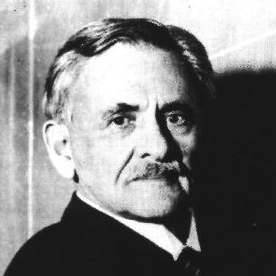
- Occupations
- university teachermilitary officerphysicist
- Biography
-
Albert Abraham Michelson was an American experimental physicist known for his work on measuring the speed of light and especially for the Michelson–Morley experiment. In 1907, he received the Nobel Prize in Physics, becoming the first American to win the Nobel Prize in a science. He was the founder and the first head of the physics departments of the Case School of Applied Science and the University of Chicago.
-
Helmuth James Graf von Moltke
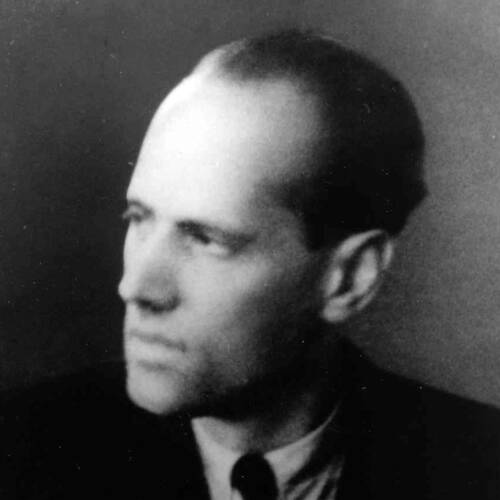
- Occupations
- juristlawyerresistance fighter
- Biography
-
Helmuth James Graf von Moltke was a German jurist who, as a draftee in the German Abwehr, acted to subvert German human-rights abuses of people in territories occupied by Germany during World War II. He was a founding member of the Kreisau Circle opposition group, whose members opposed the government of Adolf Hitler in Nazi Germany, and discussed prospects for a Germany based on moral and democratic principles after Hitler. The Nazis executed him for treason for his participation in these discussions.
-
Tamara Bunke
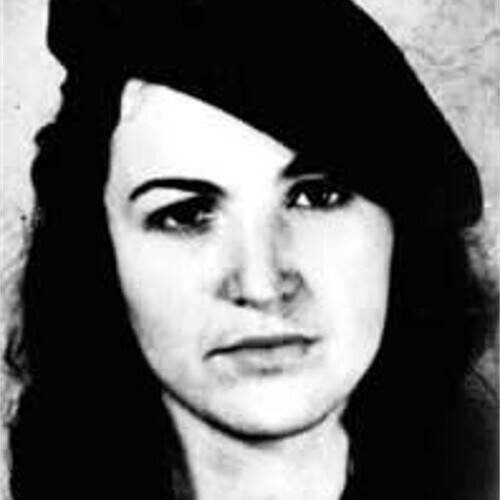
- Occupations
- revolutionarytranslatorpartisanmilitary personneljournalist
- Biography
-
Haydée Tamara Bunke Bider was an Argentine-born East German revolutionary known for her involvement in leftist politics and liberation movements.
-
Reiner Haseloff
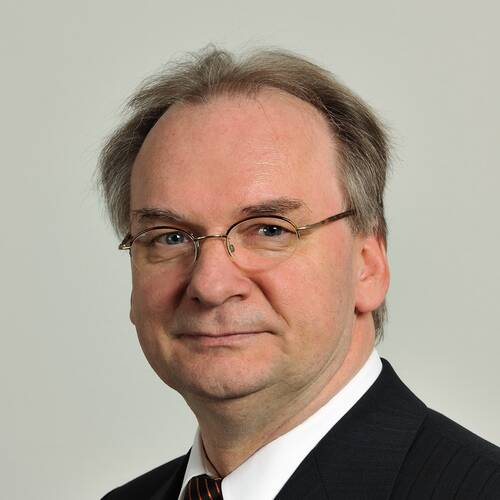
- Occupations
- physicistpolitician
- Biography
-
Reiner Erich Haseloff is a German politician who served as the Minister-President of Saxony-Anhalt from 2011 to 2026. He served a one-year term as President of the Bundesrat from 2020 to 2021. From 2022 to 2026, he was the longest-serving minister-president of the German states.
-
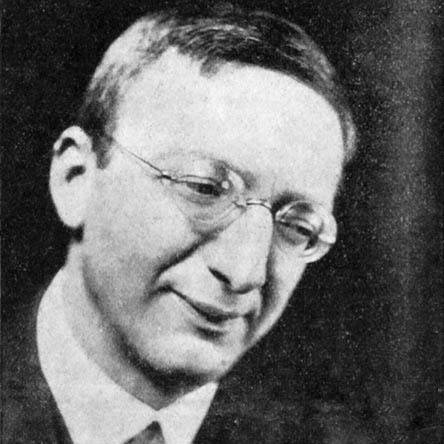
Alfred Döblin
- Occupations
- journalistneurologistphysicianmedical officerplaywright
- Biography
-
Bruno Alfred Döblin was a German novelist, essayist, and doctor, best known for his novel Berlin Alexanderplatz (1929). A prolific writer whose œuvre spans more than half a century and a wide variety of literary movements and styles, Döblin is one of the most important figures of German literary modernism. His complete works comprise over a dozen novels ranging in genre from historical novels to science fiction to novels about the modern metropolis; several dramas, radio plays, and screenplays; a true crime story; a travel account; two book-length philosophical treatises; scores of essays on politics, religion, art, and society; and numerous letters—his complete works, republished by Deutscher Taschenbuch Verlag and Fischer Verlag, span more than thirty volumes. His first published novel, Die drei Sprünge des Wang-lung (The Three Leaps of Wang Lun), appeared in 1915 and his final novel, Hamlet oder Die lange Nacht nimmt ein Ende (Tales of a Long Night) was published in 1956, one year before his death.
-
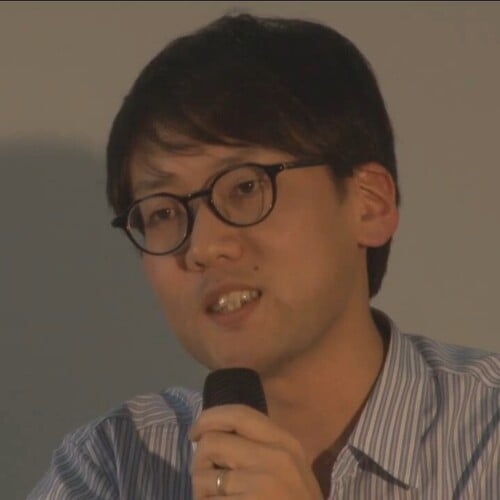
Kohei Saito
- Enrolled in the Humboldt University of Berlin
- 2012-2015 graduated with Doctor of Philosophy in philosophy
- Occupations
- economistphilosopher
- Biography
-
Kohei Saito is a Japanese philosopher. He is an associate professor at the University of Tokyo. Saito works on ecology and political economy from a Marxist perspective. His 2020 book Capital in the Anthropocene has been credited for inspiring a resurgence of interest in Marxist thought in Japan.
-
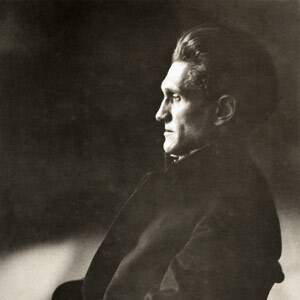
Stefan George
- Enrolled in the Humboldt University of Berlin
- Studied in 1889
- Occupations
- writerEnglish–German translatorlinguisttranslatorpoet
- Biography
-
Stefan Anton George was a German symbolist poet and a translator of Dante Alighieri, William Shakespeare, Hesiod, and Charles Baudelaire. He is also known for his role as leader of the highly influential literary circle called the George-Kreis and for founding the literary magazine Blätter für die Kunst ("Journal for the Arts").
-
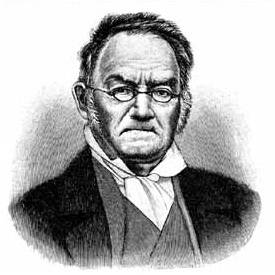
Carl Ritter
- Occupations
- geographerexplorerbotanistuniversity teacher
- Biography
-
Carl Ritter was a German geographer. Along with Alexander von Humboldt, he is considered one of the founders of modern geography, as they established it as an independent scientific discipline. From 1825 until his death, he occupied the first chair in geography at the University of Berlin.
-
Prince Donatus, Landgrave of Hesse
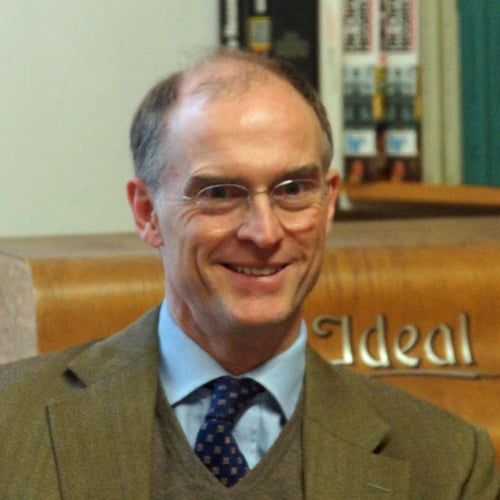
- Occupations
- economist
- Biography
-
Donatus, Prince and Landgrave of Hesse is a German businessman and the head of the House of Brabant and the House of Hesse.
-
Albert O. Hirschman
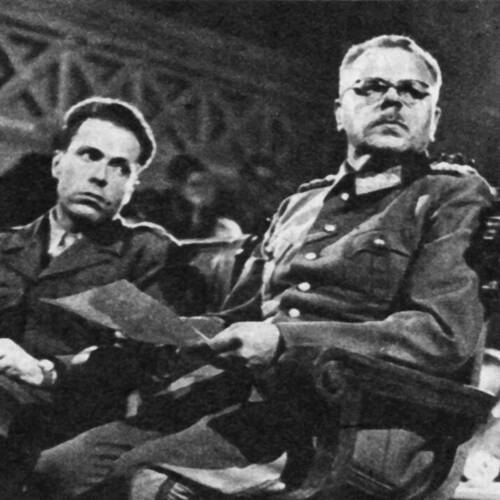
- Occupations
- university teachereconomistwriter
- Biography
-
Albert Otto Hirschman was an American economist. He was the author of several influential books on development economics, political economy, and political ideology including The Strategy of Economic Development (1958), Exit, Voice, and Loyalty (1970), The Passions and the Interests (1977), and The Rhetoric of Reaction (1991). He was a founding figure in the School of Social Science at the Institute for Advanced Study and an influential economic advisor to Latin American leaders. In World War II, he played a key role in rescuing refugees from occupied France with the Emergency Rescue Committee.
-
Henry Adams
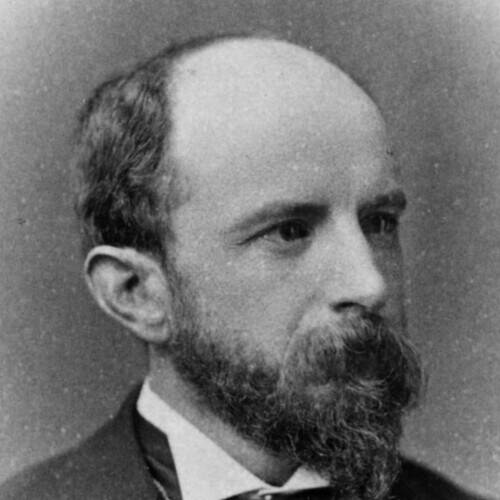
- Occupations
- historianmathematicianeditorwriterart historian
- Biography
-
Henry Brooks Adams was an American historian and a member of the Adams political family, descended from two U.S. presidents. As a young Harvard graduate, he served as secretary to his father, Charles Francis Adams, Abraham Lincoln's ambassador to the United Kingdom. The posting influenced the younger man through the experience of wartime diplomacy and absorption in English culture, especially the works of John Stuart Mill. After the American Civil War, he became a political journalist who entertained America's foremost intellectuals at his homes in Washington and Boston.
-
Erwin Panofsky
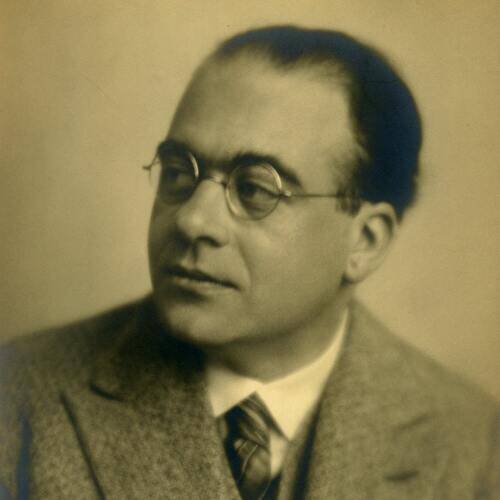
- Occupations
- university teacherart historianart critic
- Biography
-
Erwin Panofsky was a German-Jewish art historian whose work represents a high point in the modern academic study of iconography, including his hugely influential Renaissance and Renascences in Western Art and his seminal Early Netherlandish Painting.
-
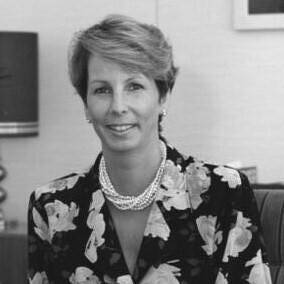
Sabine Bergmann-Pohl
- Occupations
- physicianministerpolitician
- Biography
-
Sabine Bergmann-Pohl is a German doctor and politician. A member of the Christian Democratic Union of Germany (CDU), she was president of the Volkskammer (People's Chamber) of East Germany from April to October 1990. During this time, she was also the interim head of state of East Germany, holding both posts until the state's merger into West Germany in October. She was the youngest, only female and the last head of state of East Germany. After the reunification of Germany, she served in the government of Chancellor Helmut Kohl, first as Minister for Special Affairs, one of five appointed in October 1990 to provide representation for the last East German government in the Kohl cabinet, then as Parliamentary State Secretary in the Ministry of Health for the remainder of Chancellor Kohl's time in office.